Customer Feedback Insights & Guides
Insights on turning customer feedback into product decisions
Comparisons
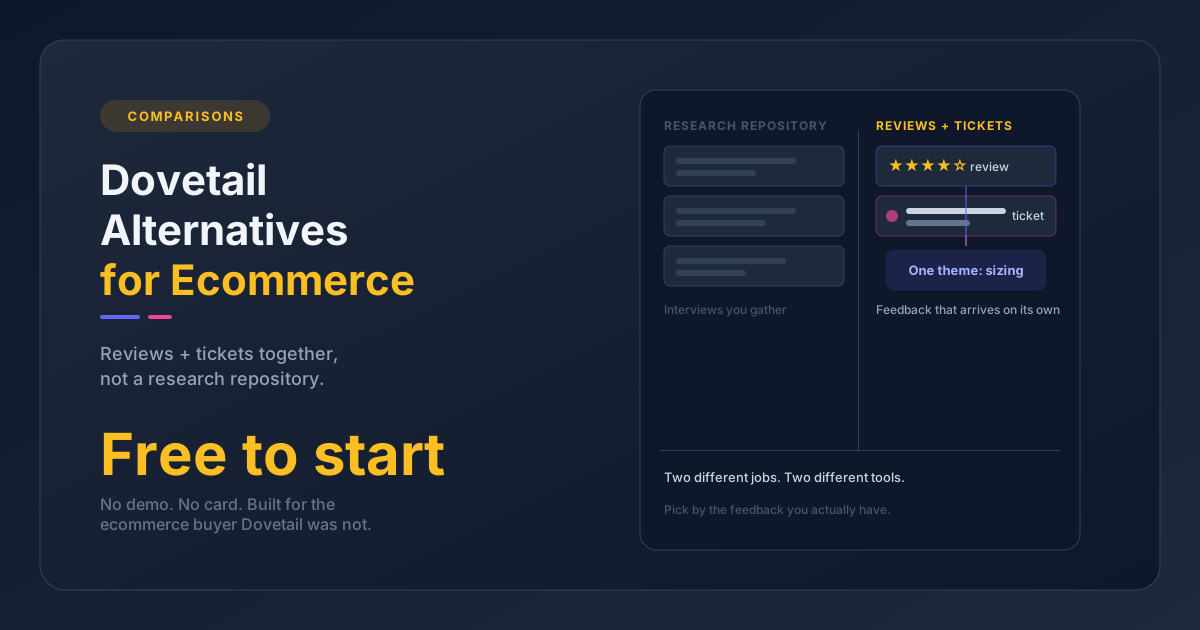
Dovetail Alternative: Best Picks for Ecommerce 2026
Dovetail is a UX-research repository. If you run ecommerce, here are the Dovetail alternatives that read your reviews and tickets together, sorted by who you are.
·9 min read
Comparisons
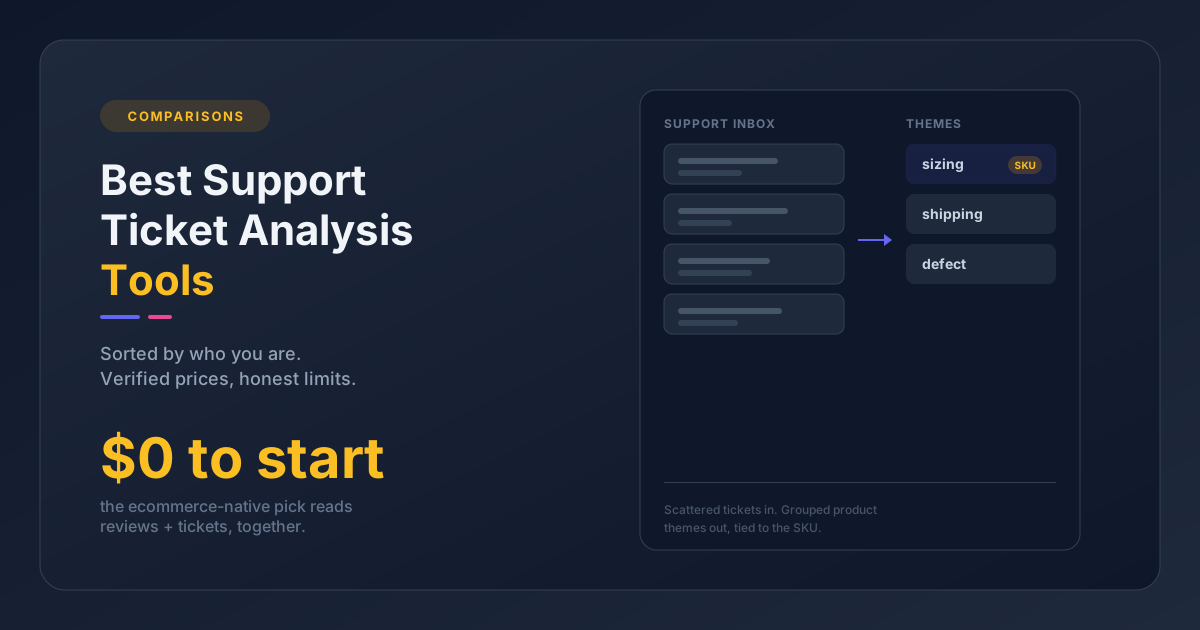
Best Support Ticket Analysis Tools (2026)
The best support ticket analysis tools for ecommerce, sorted by who you are, with web-verified prices and honest limits. Includes a free-to-start reviews-and-tickets pick.
·9 min read
Comparisons
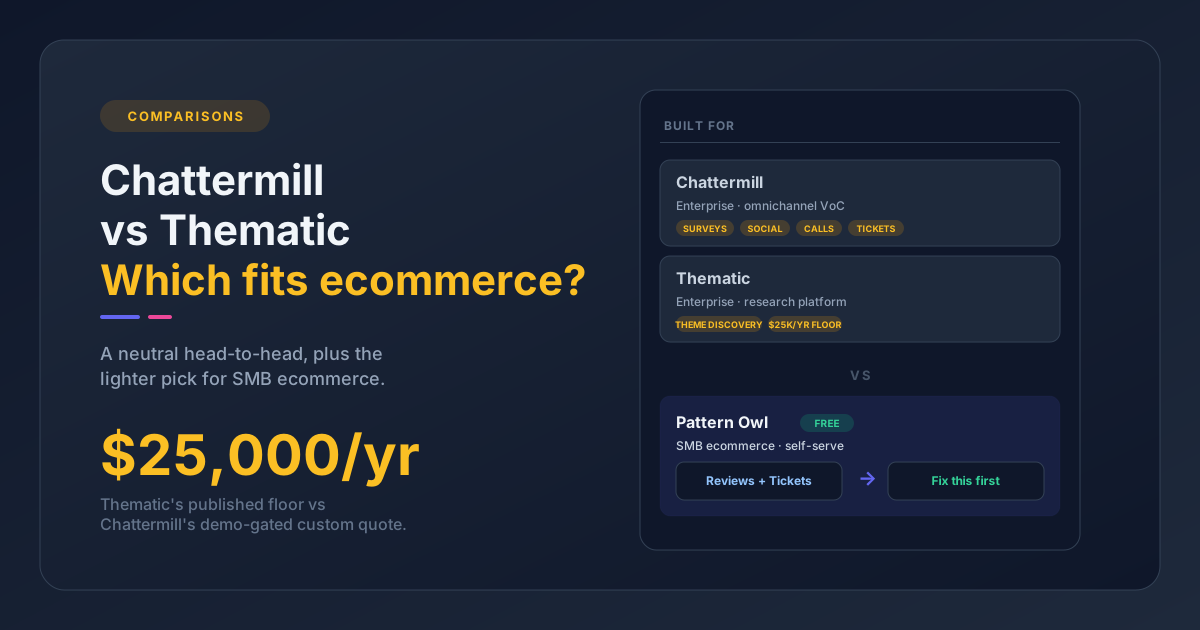
Chattermill vs Thematic: Which Fits Ecommerce?
A neutral Chattermill vs Thematic comparison: theme discovery, channels, and real pricing, plus the lighter pick for SMB ecommerce that reads reviews and tickets together.
·9 min read
Comparisons
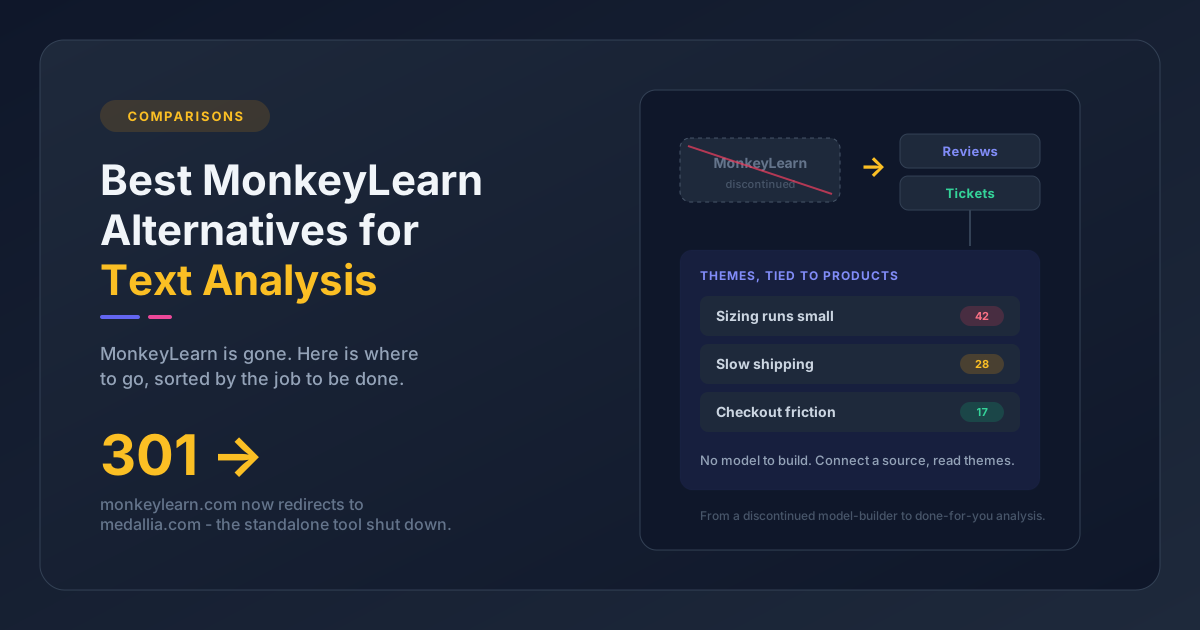
Best MonkeyLearn Alternatives for Text Analysis
MonkeyLearn was discontinued after Medallia acquired it. Here are the best MonkeyLearn alternatives, sorted by job, including a free-to-start ecommerce pick.
·10 min read
Comparisons
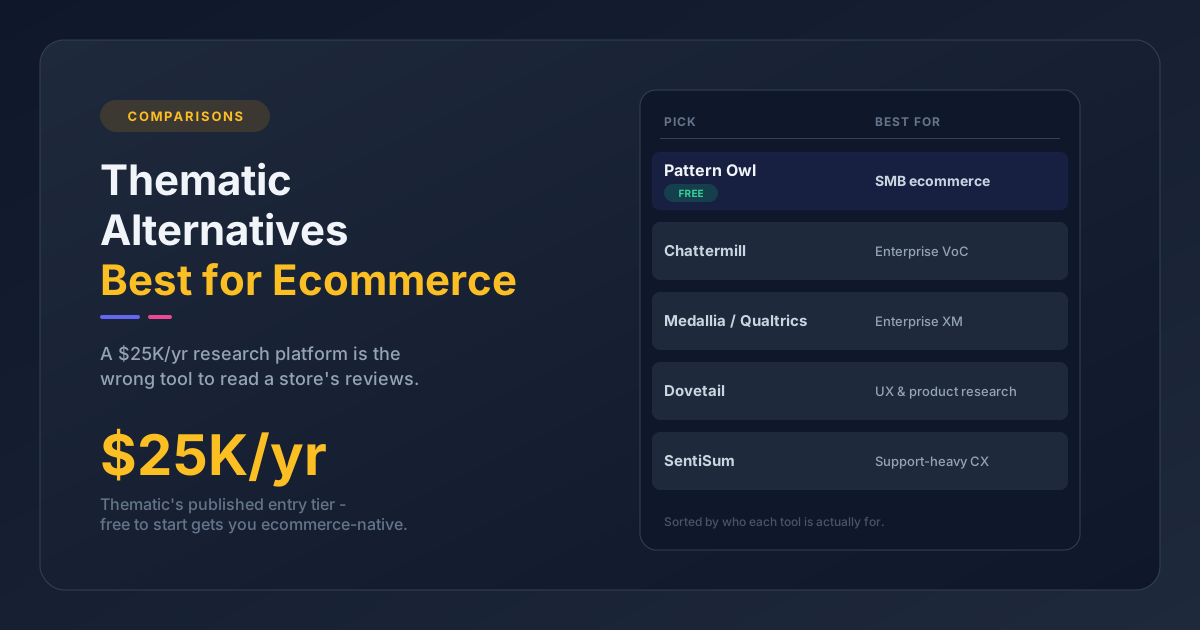
Thematic Alternative: Best Picks for Ecommerce 2026
Thematic is built for enterprise research teams. If you run a growing ecommerce brand, here are the alternatives that fit your stack and your budget - sorted by who you actually are.
·10 min read
Comparisons
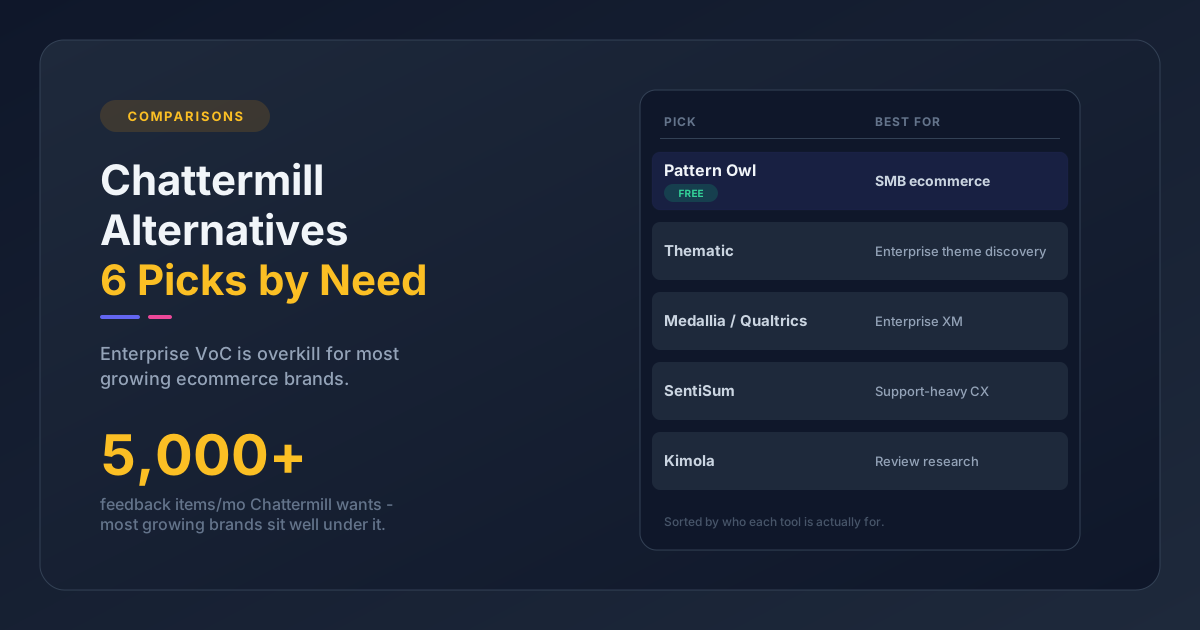
Chattermill Alternatives: 6 Picks by Need (2026)
Chattermill recommends 5,000+ feedback items a month and is sales-gated. Here are six honest Chattermill alternatives sorted by what you actually need.
·10 min read
Comparisons
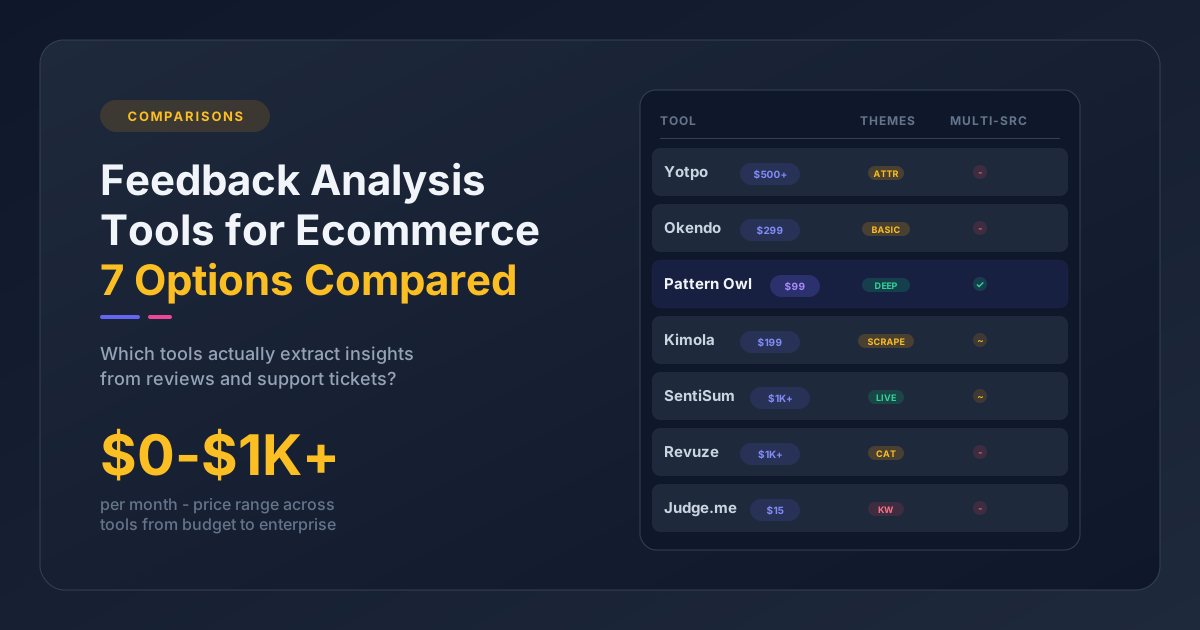
Best Customer Feedback Analysis Software by Buyer Tier
An honest guide to customer feedback analysis software, grouped by who can actually afford it - from free-to-start SMB picks to six-figure enterprise VoC platforms. Includes the one tool every outdated list still recommends that no longer exists.
·26 min read
Guides
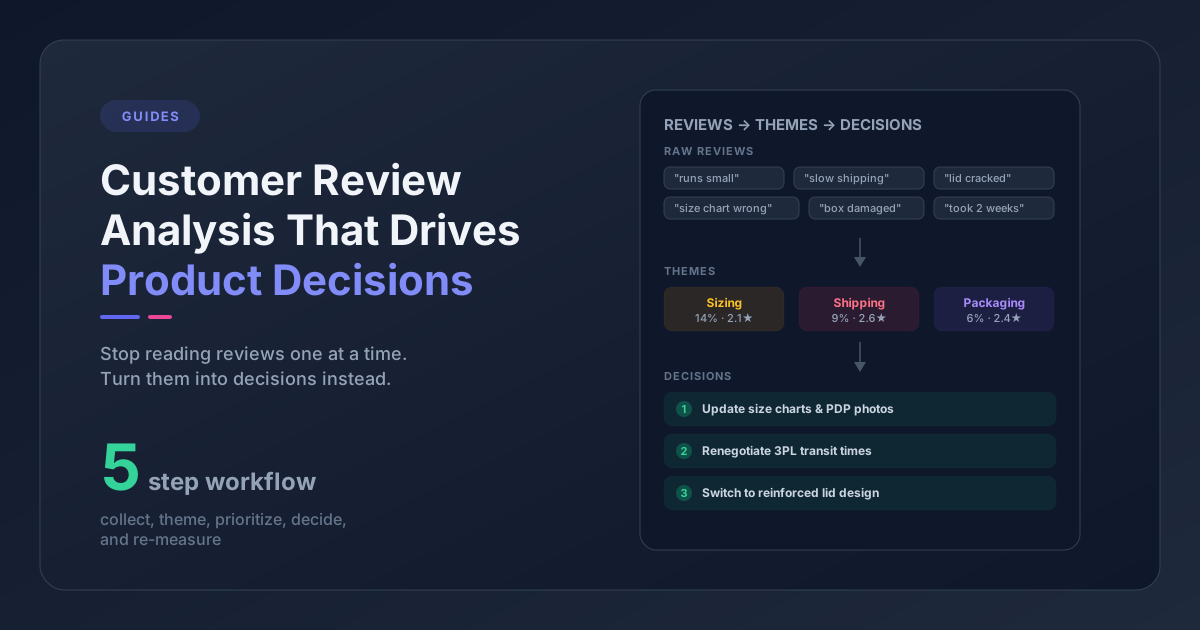
Customer Reviews Analysis: Turn Reviews Into Product Decisions
A practical 5-step workflow ecommerce teams use to run customer reviews analysis and turn the findings into product decisions.
·13 min read
Guides
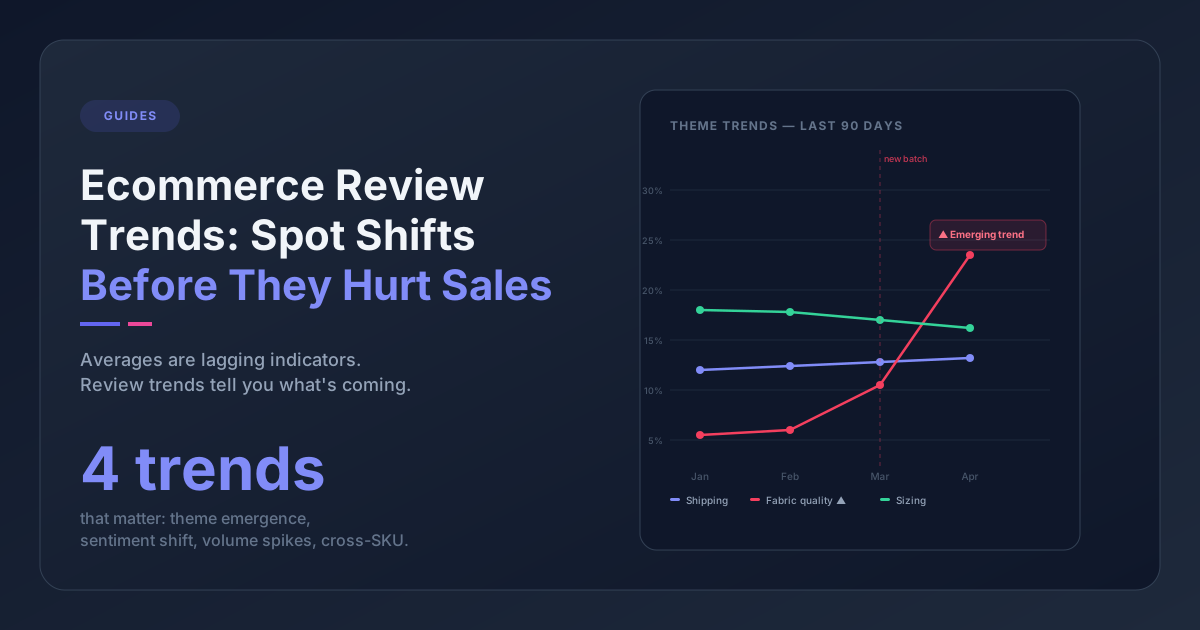
Ecommerce Review Trends: Spot Shifts Before They Hurt Sales
Star rating averages tell you where you are. Review trends tell you where you're headed. Here's how to track shifts in customer sentiment before they hit your bottom line.
·12 min read
Guides
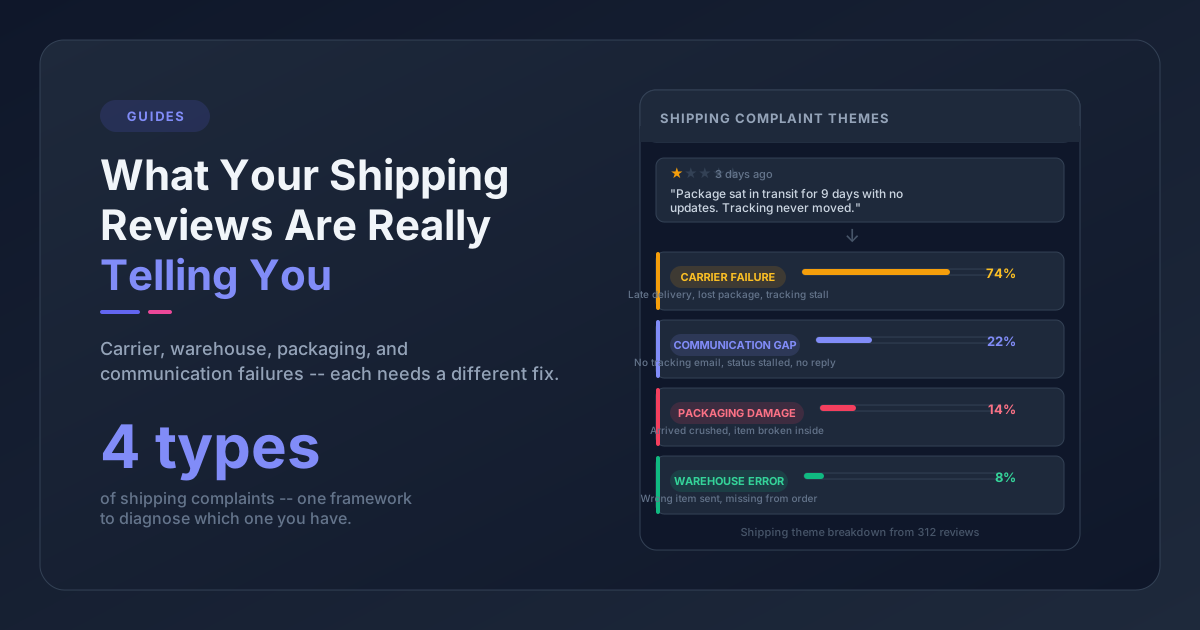
How to Diagnose Shipping Complaints in Customer Reviews
Shipping complaints are the top source of negative reviews in ecommerce -- but treating them all the same is a costly mistake. Here's how to read shipping feedback as a diagnostic tool.
·14 min read
Guides
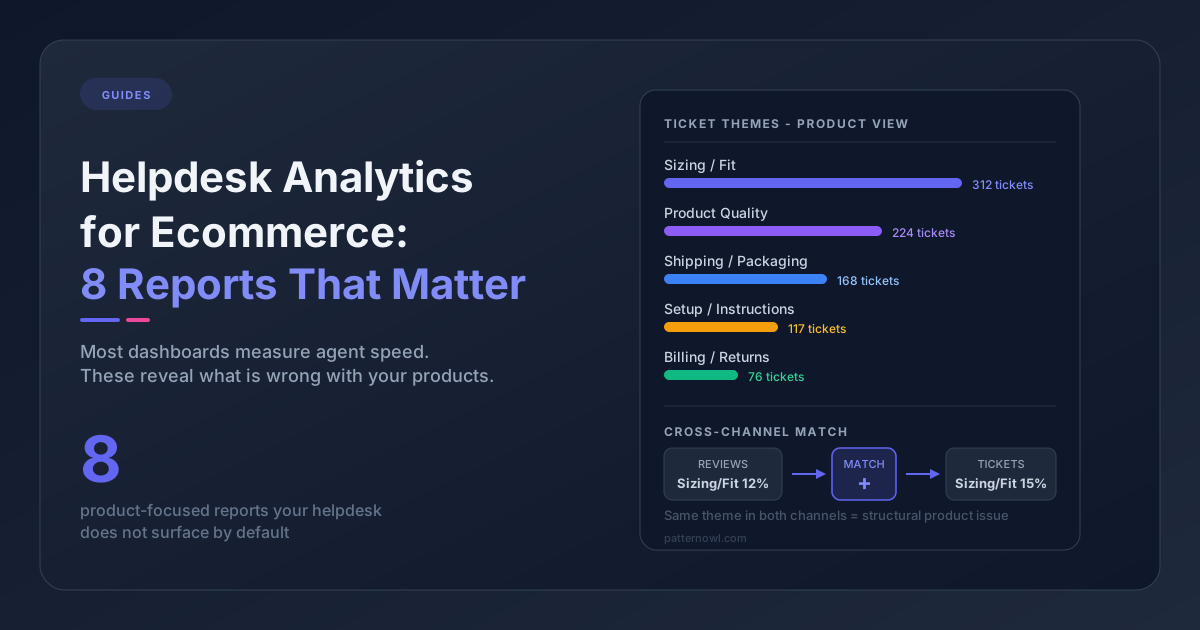
Helpdesk Analytics for Ecommerce: 8 Reports That Reveal Product Problems
Standard helpdesk dashboards show you team performance. These 8 reports show you product problems hiding in your support tickets.
·12 min read
Guides
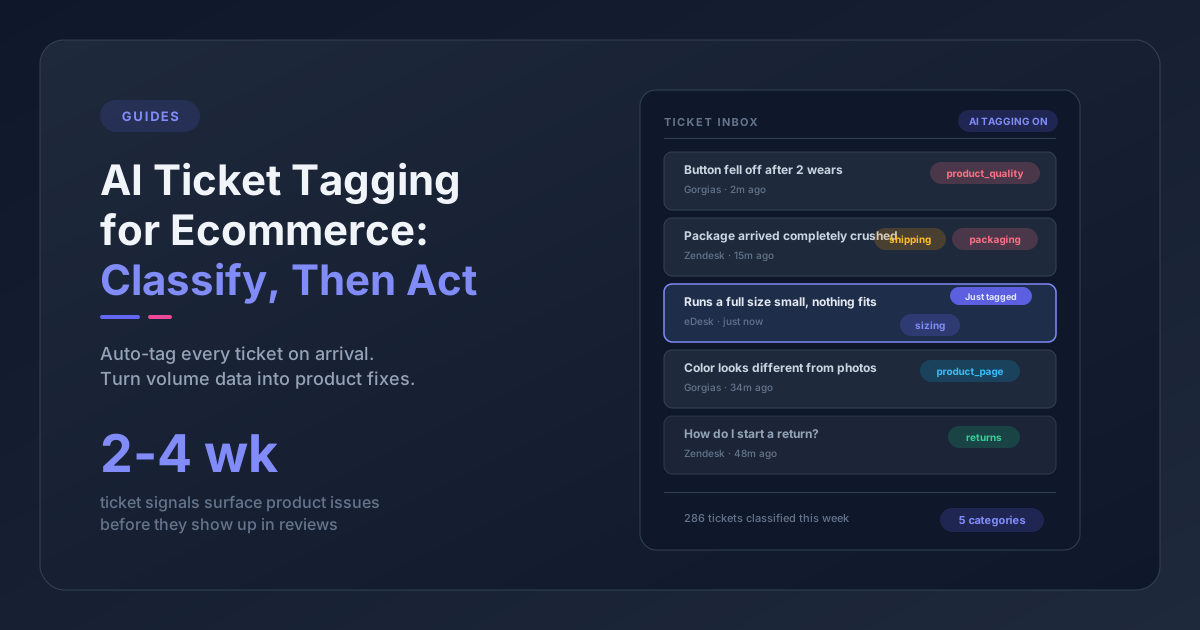
AI Ticket Tagging for Ecommerce: Auto-Classify and Act on Support Data
AI can auto-tag your support tickets the moment they arrive. But tagging is just the start -- here's how to turn tag volume into product decisions and catch recurring issues before they compound.
·14 min read
Guides
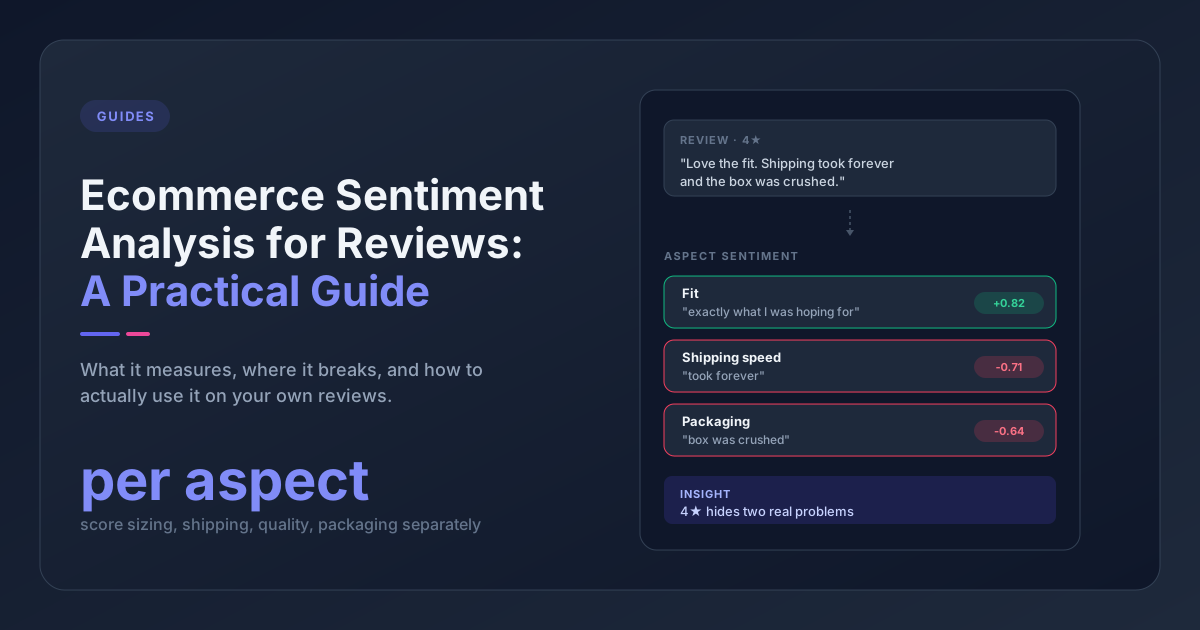
Ecommerce Sentiment Analysis for Reviews: A Practical Guide
Sentiment analysis sounds academic, but for ecommerce it's a practical tool. Here's how to actually use it on your reviews without the buzzwords.
·11 min read
Guides
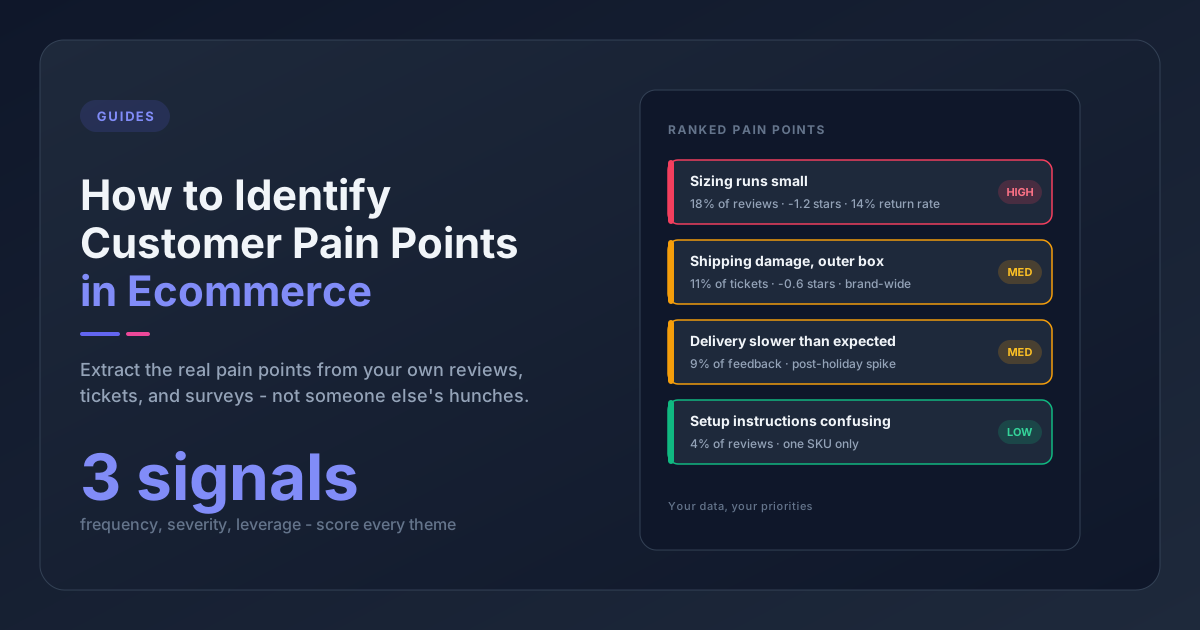
How to Identify Customer Pain Points in Ecommerce
Your reviews and support tickets already contain the pain points hurting your repeat rate. Here's how to pull them out - and which ones actually matter.
·11 min read
Guides
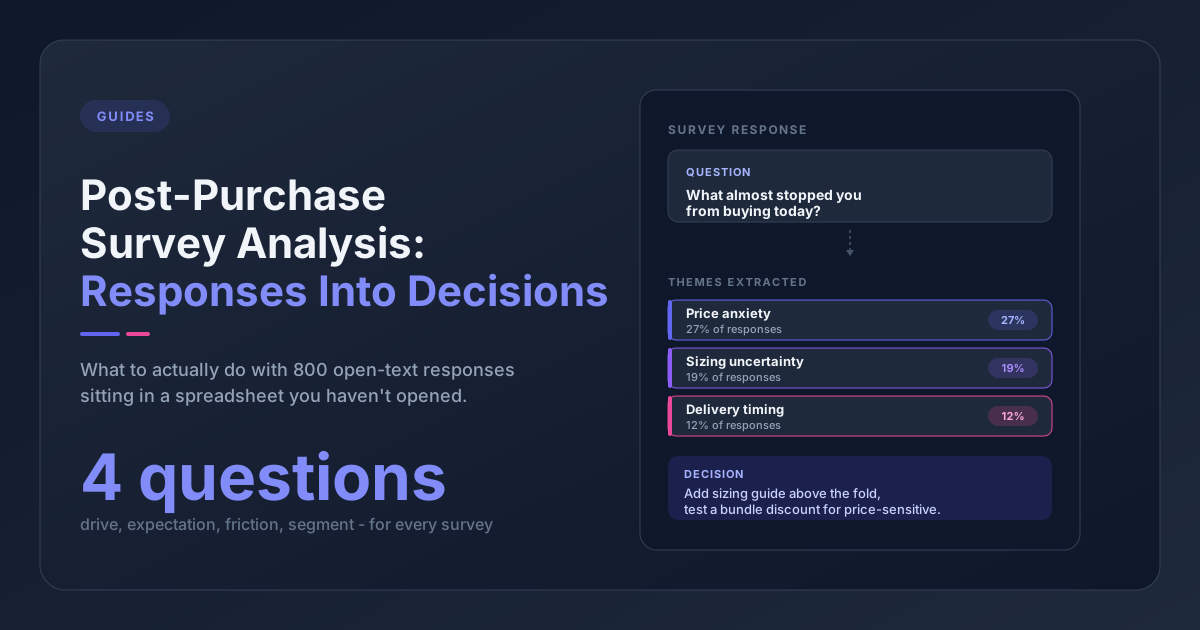
Post-Purchase Survey Analysis: Turning Responses Into Decisions
Most post-purchase survey content covers setup. The harder problem is what to do with the responses once they pile up. Here's how to analyze them.
·10 min read
Industry Insights
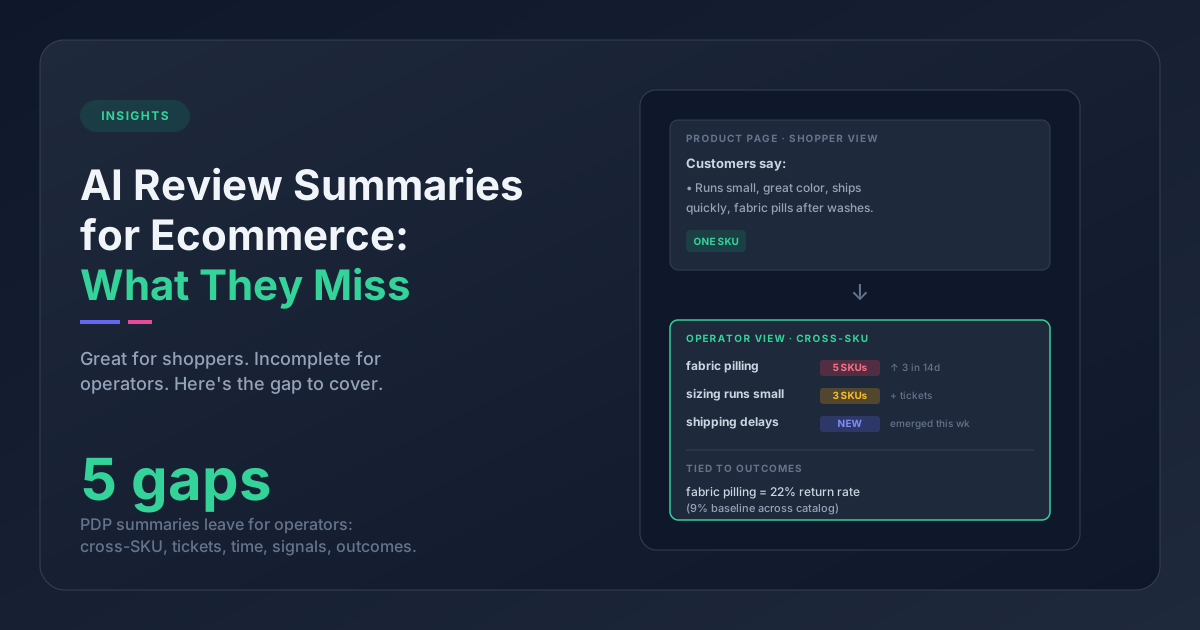
AI Review Summary Tool: What It Misses for Ecommerce Operators (And How to Close the Gap)
An AI review summary tool helps shoppers convert, but leaves operators blind to cross-SKU patterns, trends, and outcomes. Here's the gap and how to close it.
·11 min read
Guides
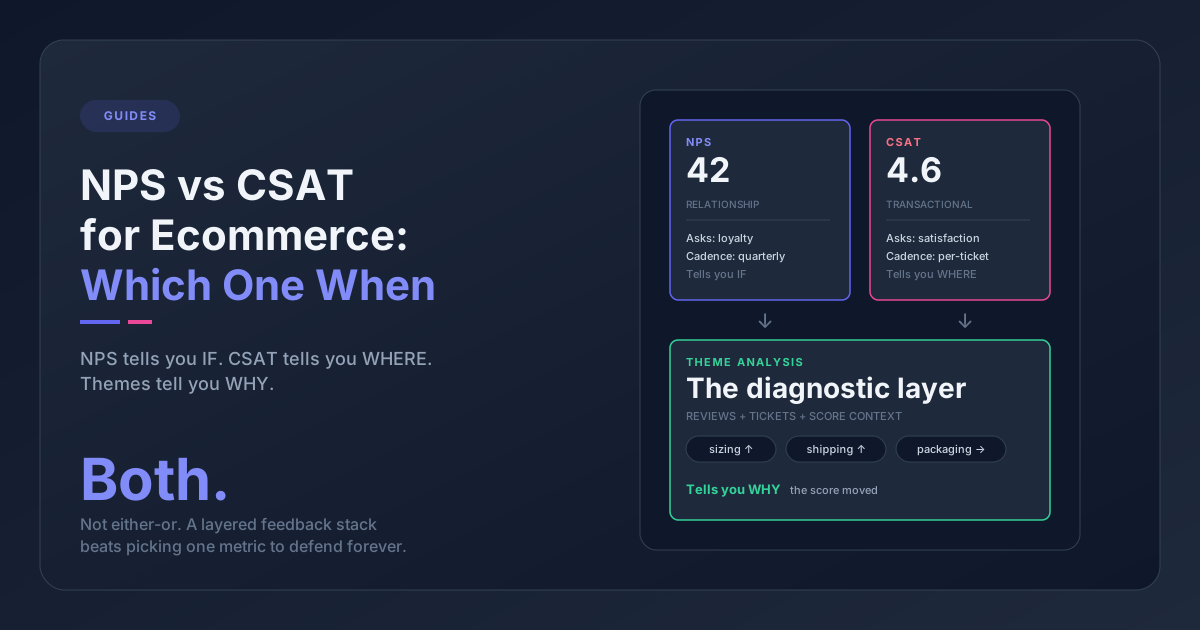
NPS vs CSAT Ecommerce: Which Metric Tells You What's Wrong
NPS vs CSAT for ecommerce: NPS tells you IF customers are unhappy, CSAT tells you WHERE. Here's which one to use when, and how to layer both.
·12 min read
Guides
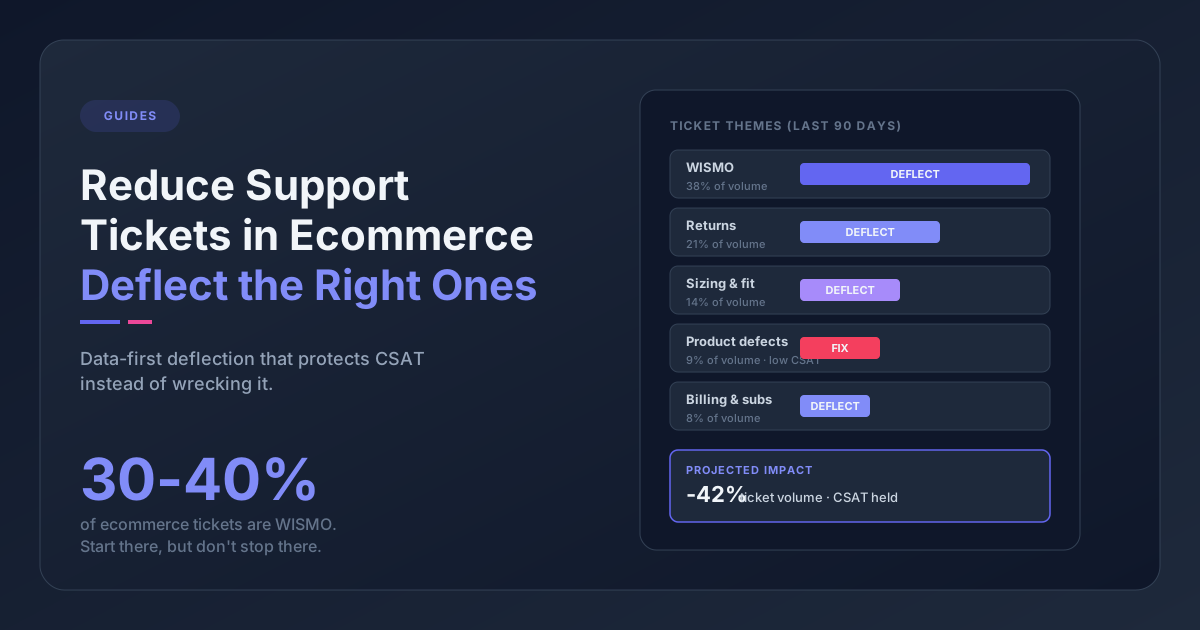
How to Reduce Support Tickets in Ecommerce Without Hurting CX
Most advice to reduce support tickets in ecommerce is generic. Here's a data-first playbook: audit themes, deflect the right ones, protect CSAT.
·13 min read
Guides
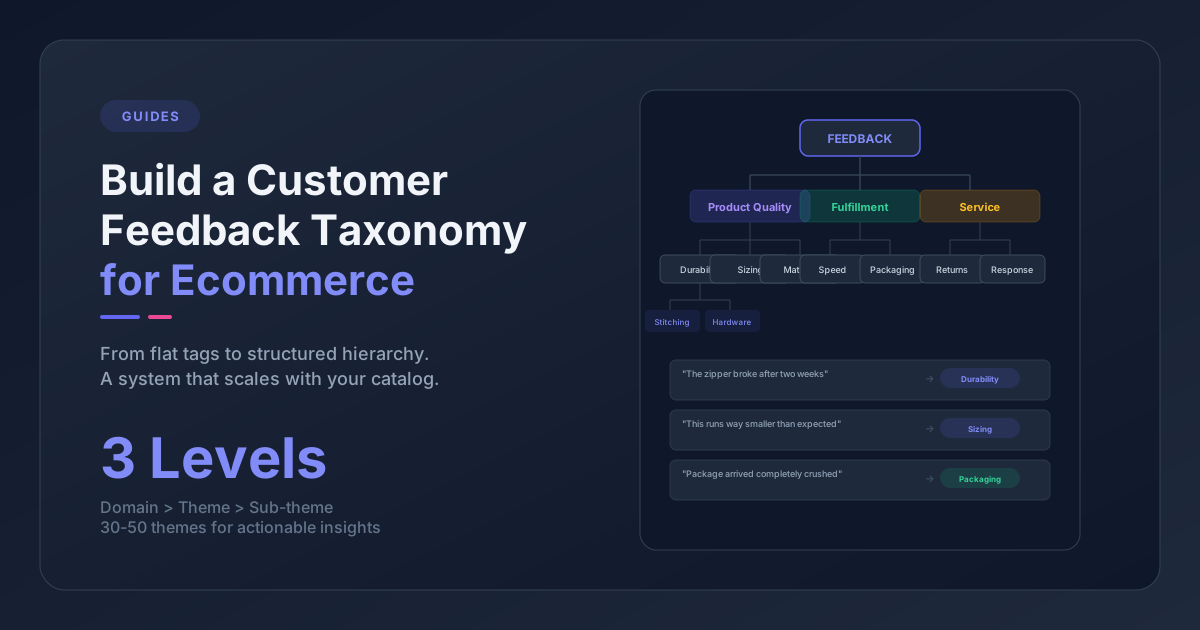
How to Build a Customer Feedback Taxonomy for Your Ecommerce Store
A flat list of tags falls apart past 200 reviews a month. Here's how to build a structured feedback taxonomy that scales with your catalog and actually drives decisions.
·13 min read
Guides
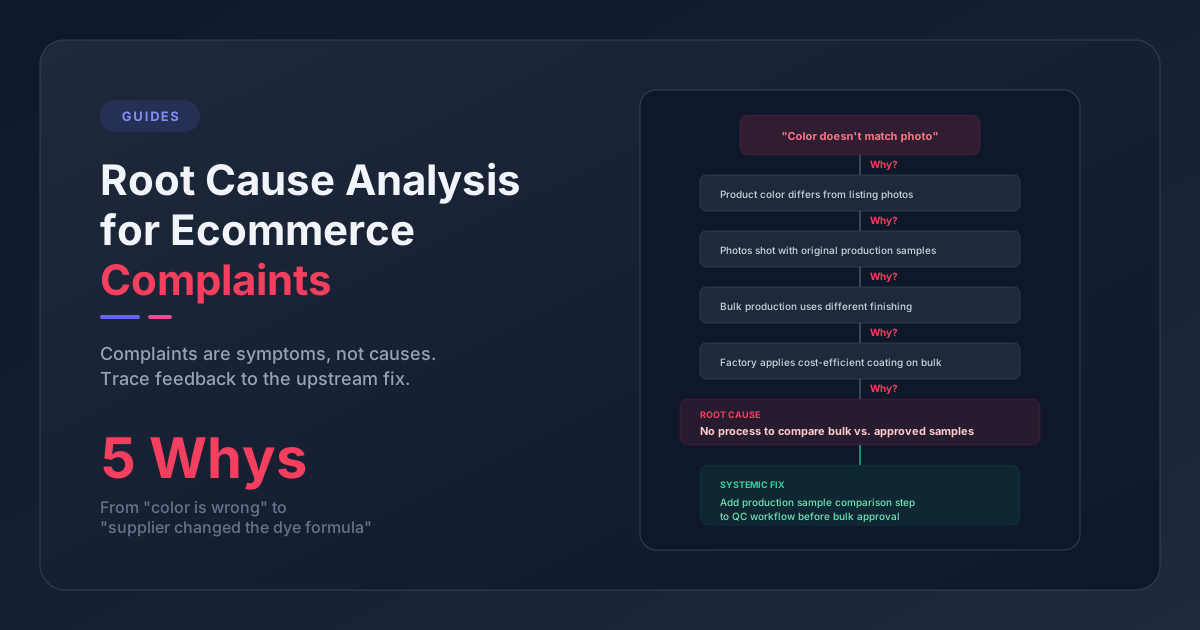
Root Cause Analysis for Ecommerce Customer Complaints
Your customers are telling you what's broken. But the complaint is rarely the cause. Here's how to trace ecommerce feedback back to the upstream problem.
·14 min read
Guides
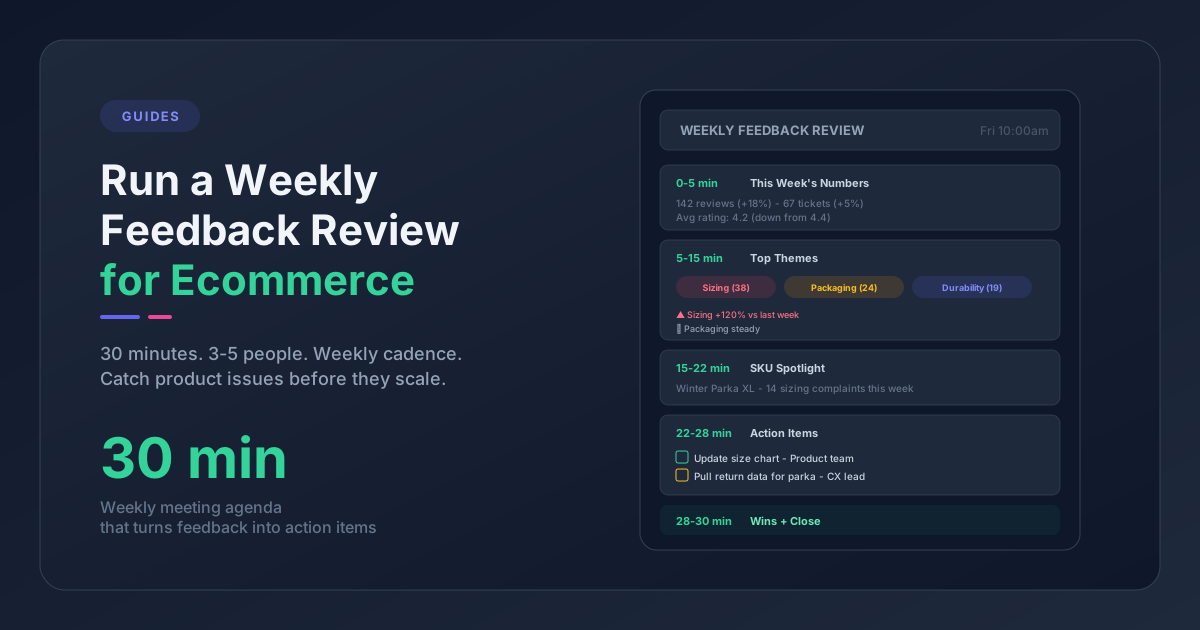
How to Run a Weekly Customer Feedback Review for Your Ecommerce Store
Most stores check their reviews when something goes wrong. A 30-minute weekly review turns reactive firefighting into proactive product and CX improvements.
·12 min read
Comparisons
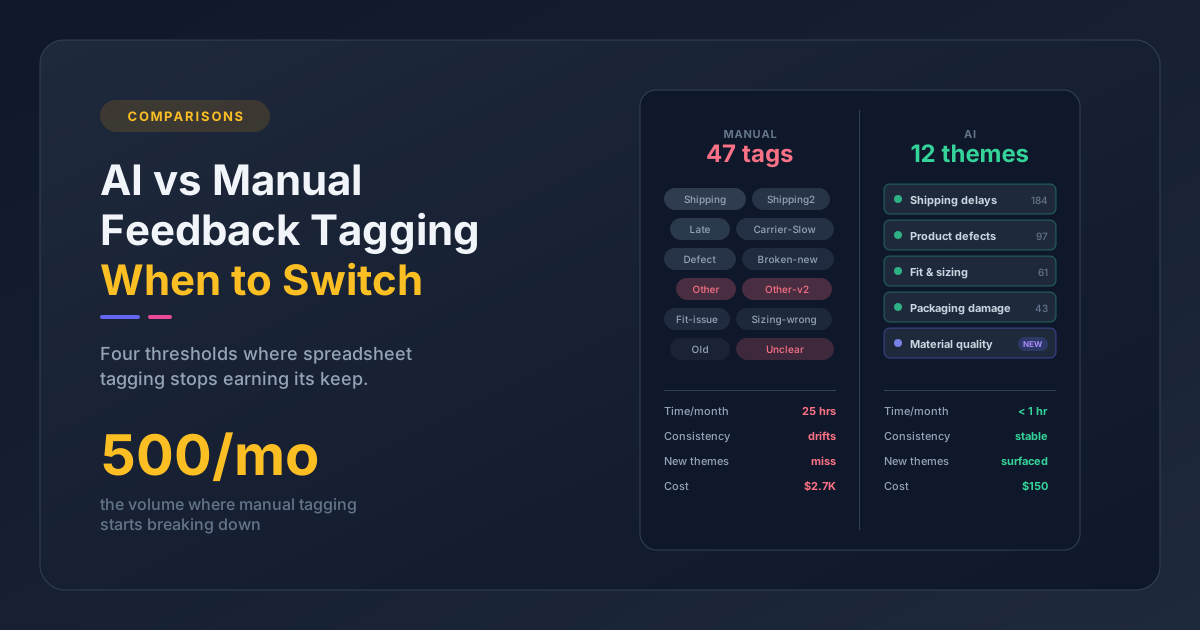
AI Customer Feedback Analysis vs Manual Tagging: When to Switch
Manual tagging works until it doesn't. Here are the four thresholds where spreadsheet tagging breaks and AI customer feedback analysis starts paying for itself.
·12 min read
Guides
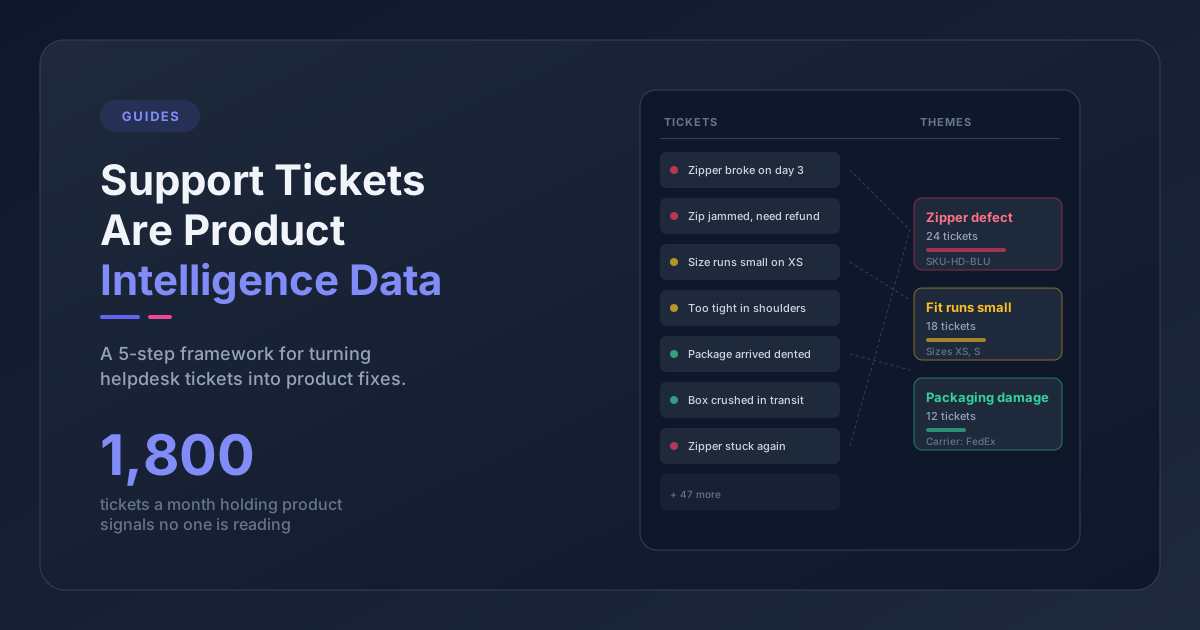
How to Analyze Support Tickets for Product Insights (Ecommerce)
A 5-step framework for turning helpdesk tickets into product insights your team actually acts on - not just CSAT dashboards.
·14 min read
Guides
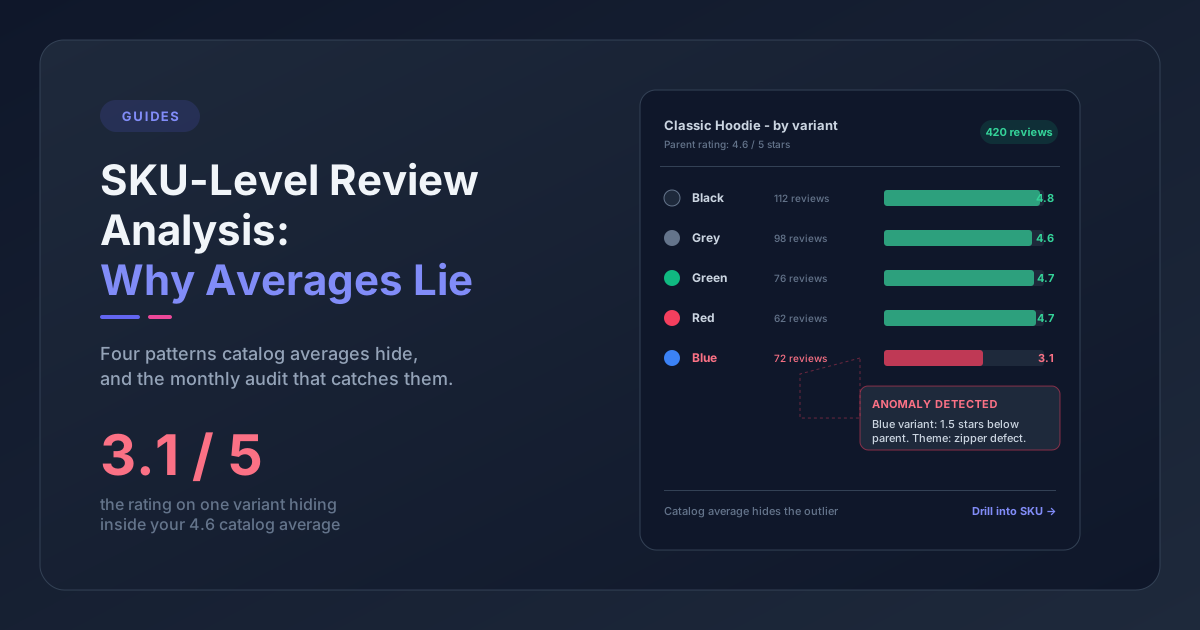
SKU-Level Review Analysis for Ecommerce: Why Averages Lie
A 4.6 catalog average can hide a 3.1 SKU that's tanking returns. Here's how to run SKU-level review analysis that catches what averages miss.
·12 min read
Industry Insights
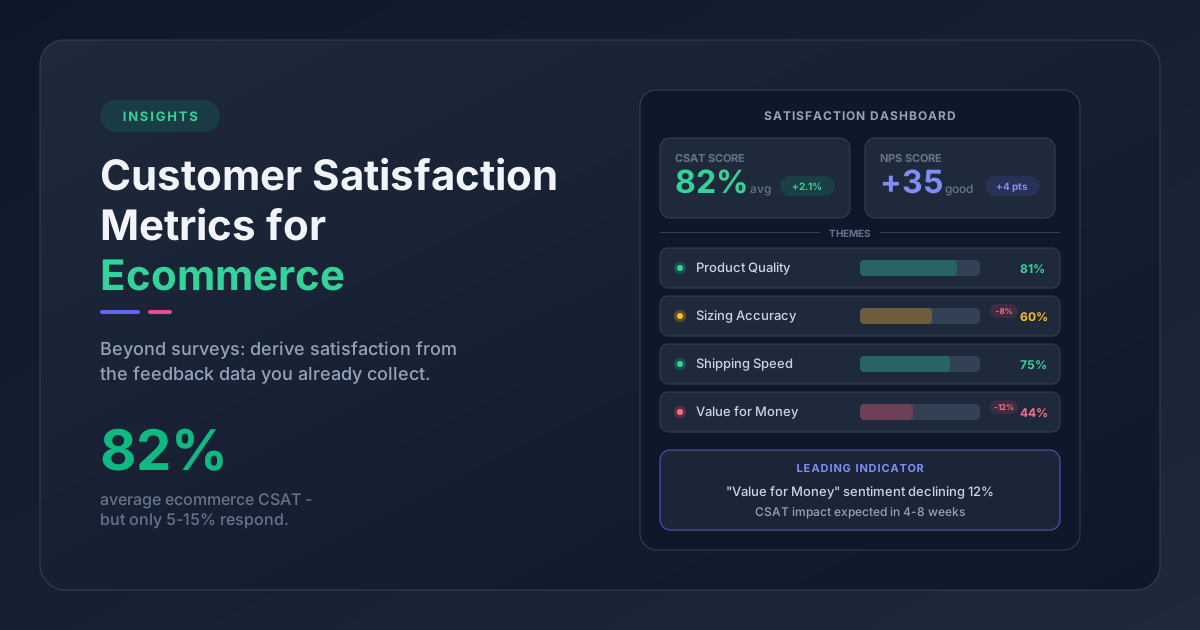
Ecommerce Customer Satisfaction Metrics That Actually Drive Action
Most ecommerce satisfaction metrics tell you the score but not the story. Here are the metrics worth tracking - including ones you can derive from reviews and tickets without sending a single survey.
·11 min read
Industry Insights
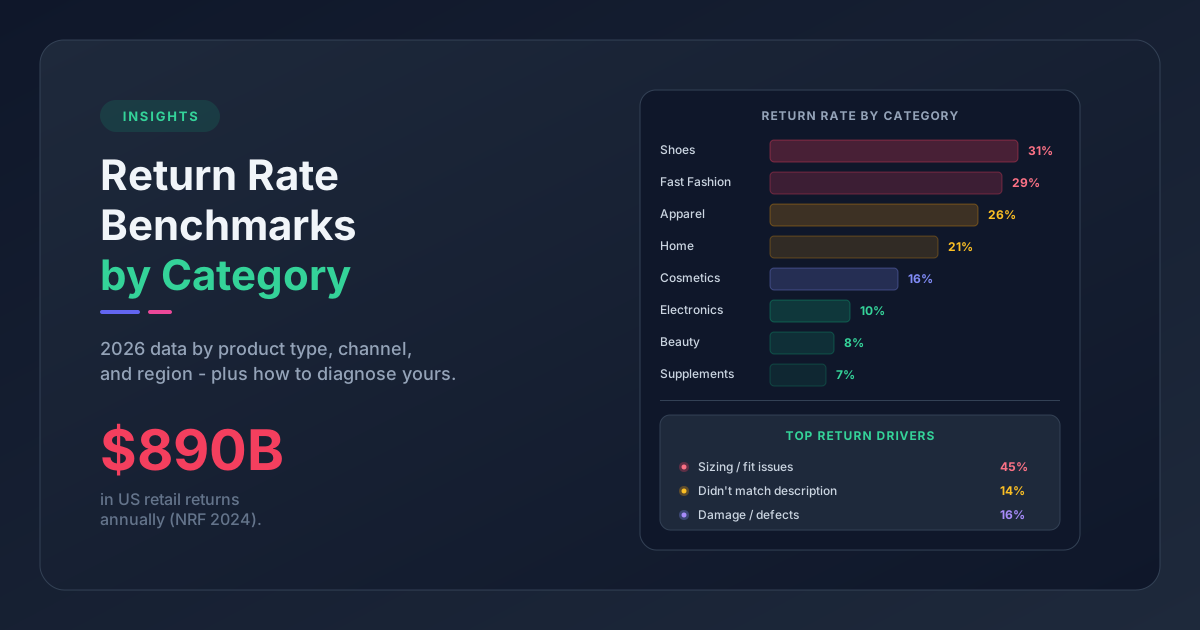
Ecommerce Return Rate Benchmarks by Category (2026)
Industry return rate data by product category, channel, and region - plus how to use your own review and ticket data to diagnose why your rate is above or below benchmark.
·12 min read
Guides
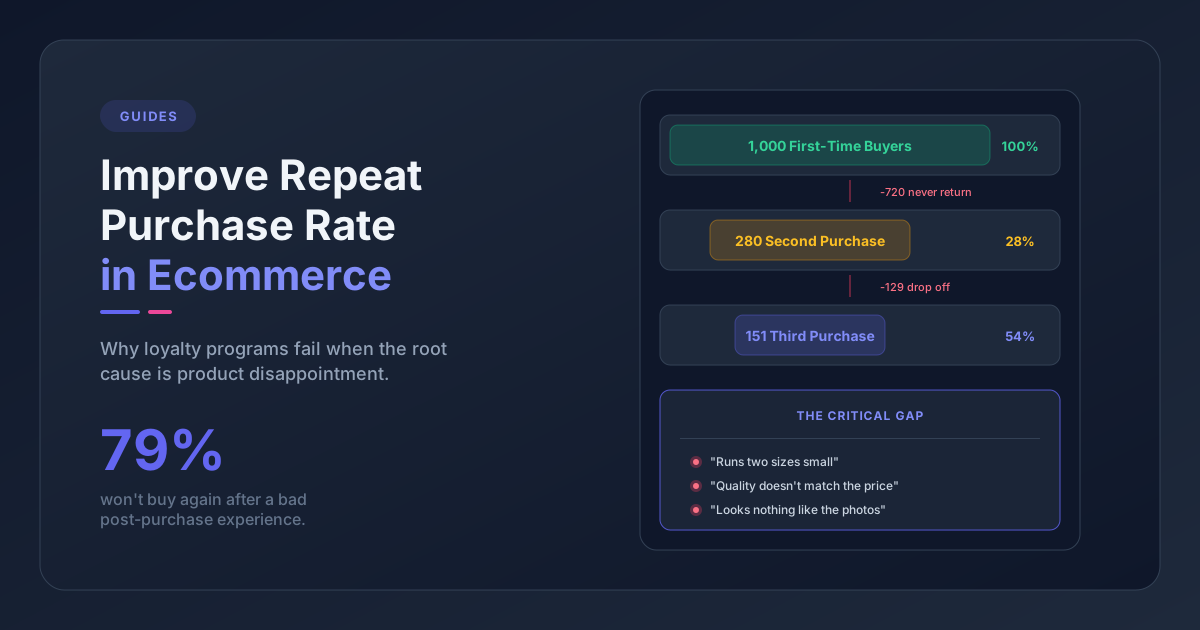
How to Improve Repeat Purchase Rate in Ecommerce
Loyalty programs and email flows can't fix a repeat purchase problem when the root cause is product disappointment. Here's how to use customer feedback to find and fix what's actually keeping buyers from coming back.
·11 min read
Guides
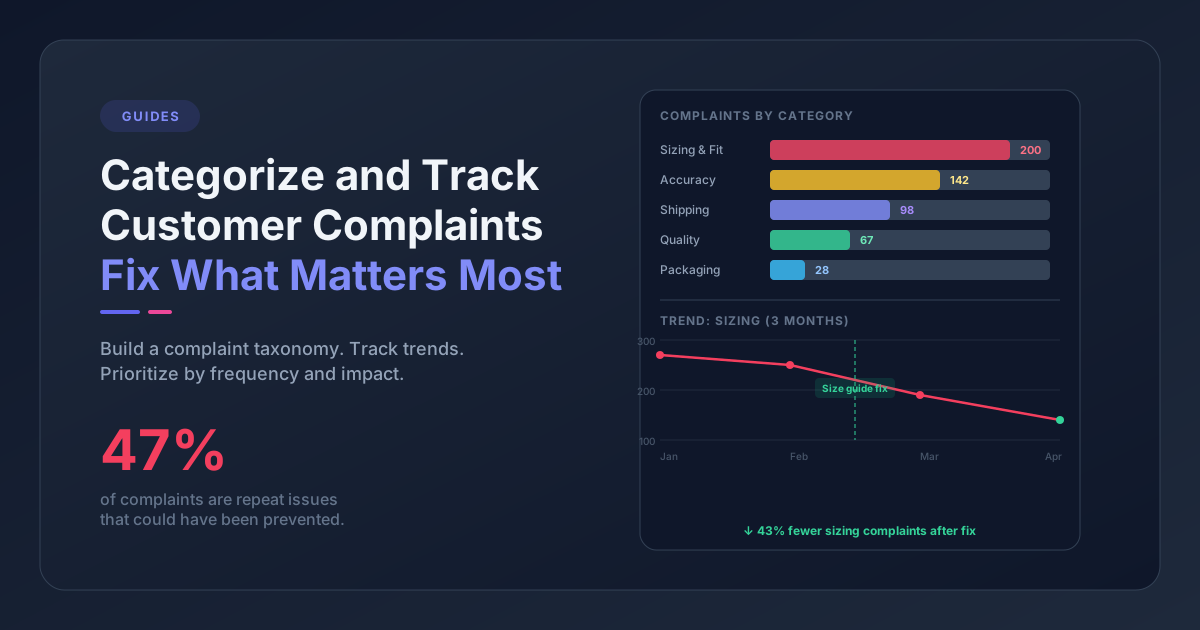
How to Categorize and Track Customer Complaints to Fix What Matters Most
Stop responding to complaints one at a time. Build a complaint taxonomy, track category volumes over time, and use the data to prioritize fixes that actually reduce your complaint rate.
·11 min read
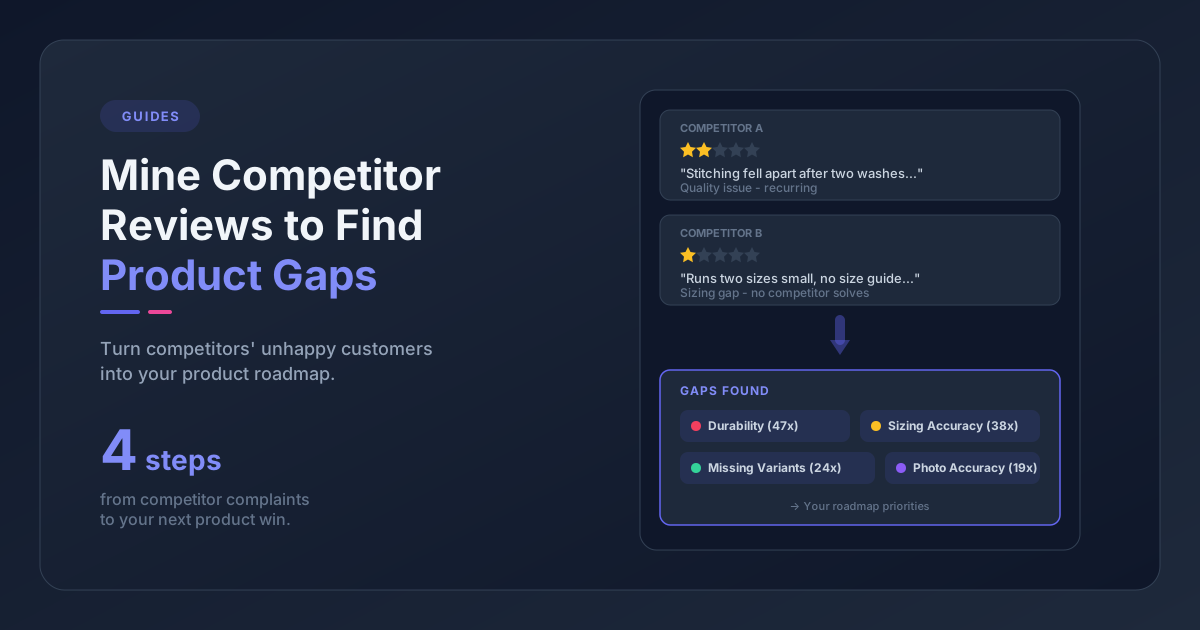
Guides
How to Mine Competitor Reviews to Find Product Gaps in Ecommerce
Your competitors' unhappy customers are telling you exactly what to build next. Here's a step-by-step workflow for turning their complaints into your product roadmap.
·11 min read
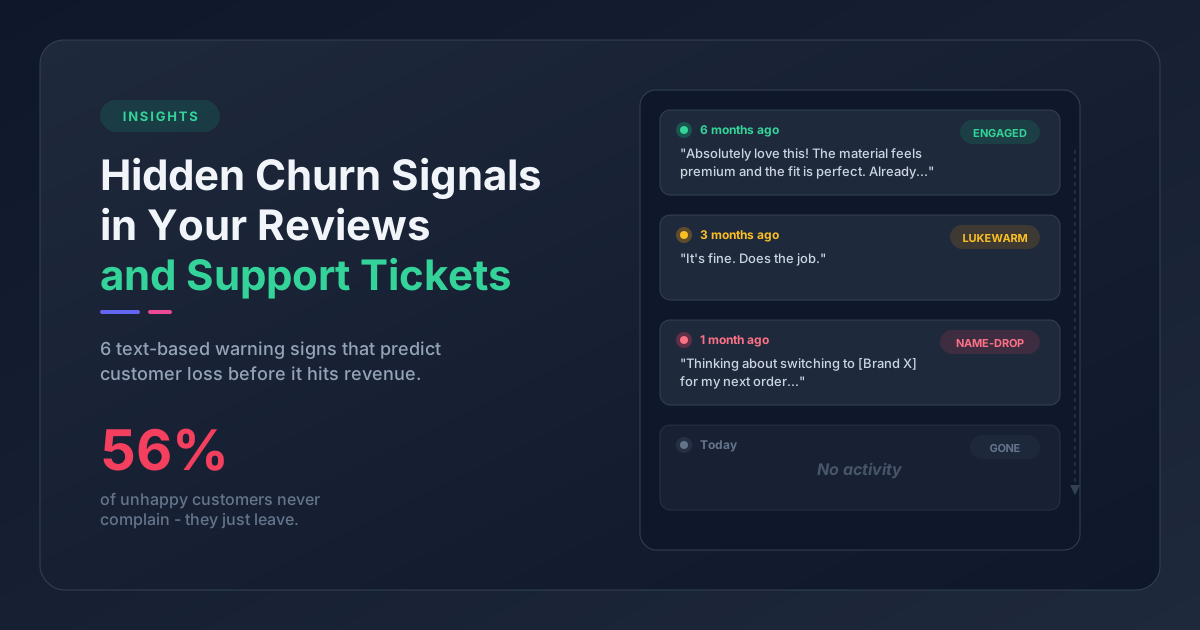
Industry Insights
How to Spot Churn Signals in Ecommerce Customer Reviews and Support Tickets
Your reviews and support tickets contain early churn warnings most stores miss. Here are 6 text-based signals that predict customer loss before it shows up in your revenue.
·10 min read
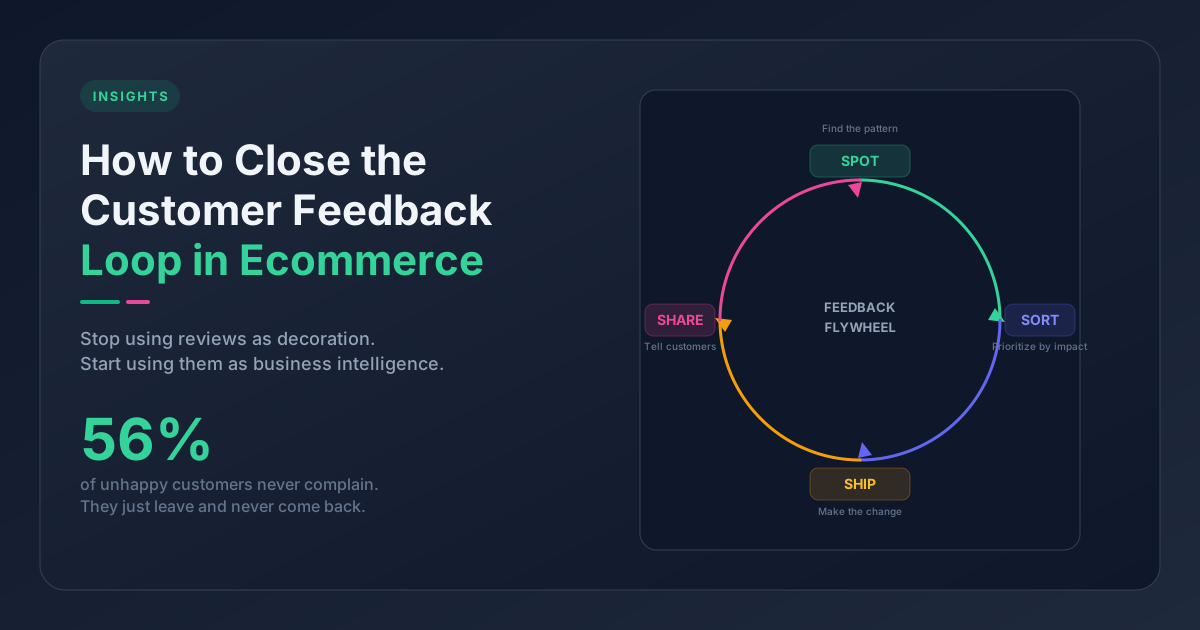
Guides
How to Close the Customer Feedback Loop in Ecommerce
You're already collecting reviews. You're probably displaying them on your product pages. But if that's where the cycle ends, you're using customer feedback as decoration - not intelligence.
·8 min read
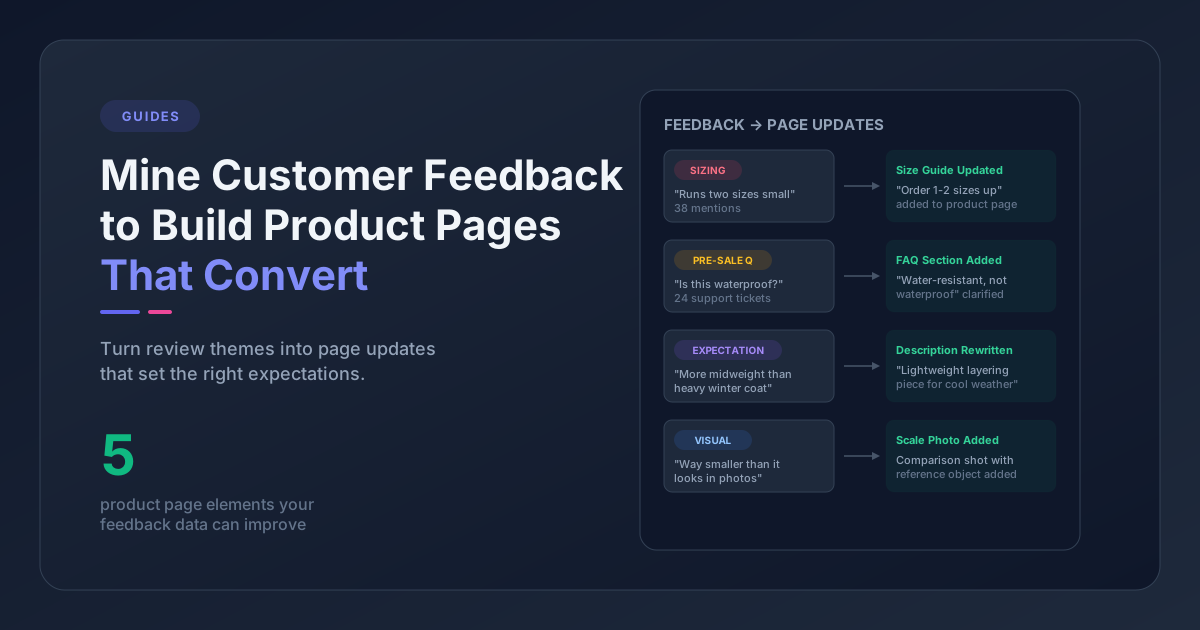
Guides
How to Mine Customer Feedback to Build Product Pages That Convert
Your customers describe your products better than your marketing team does. Here's how to extract those insights from reviews and support tickets and turn them into product pages that actually convert.
·11 min read
Guides
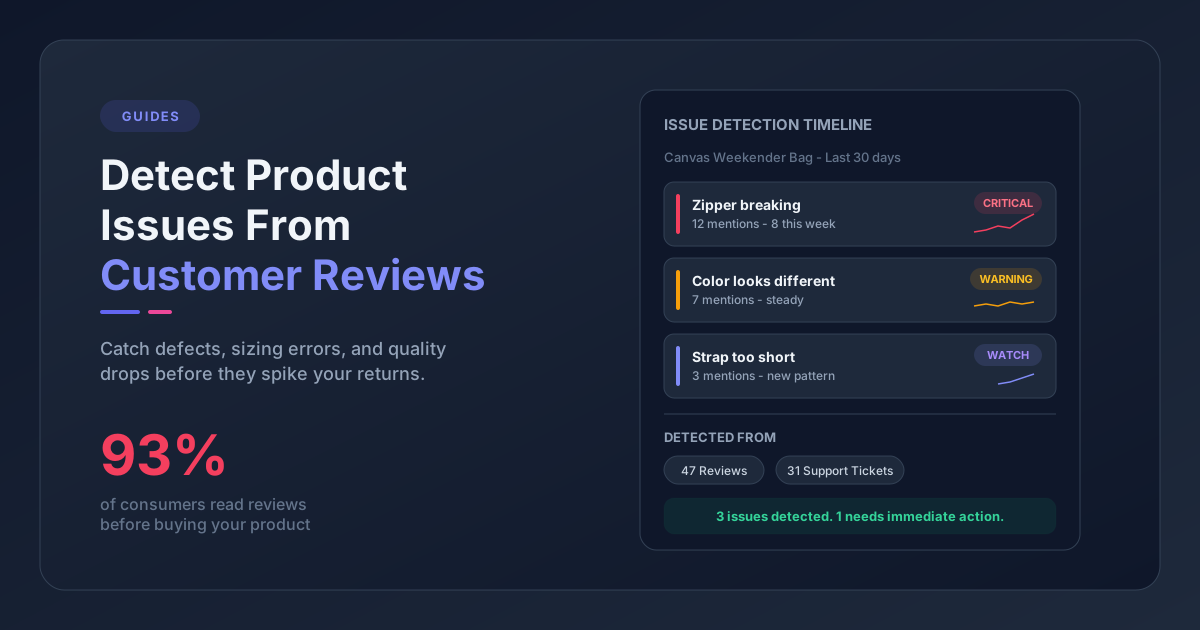
How to Detect Product Issues From Customer Reviews
Your reviews contain early warnings about product defects, sizing problems, and quality drops. Here's how to spot them before they become return spikes.
·12 min read
Guides
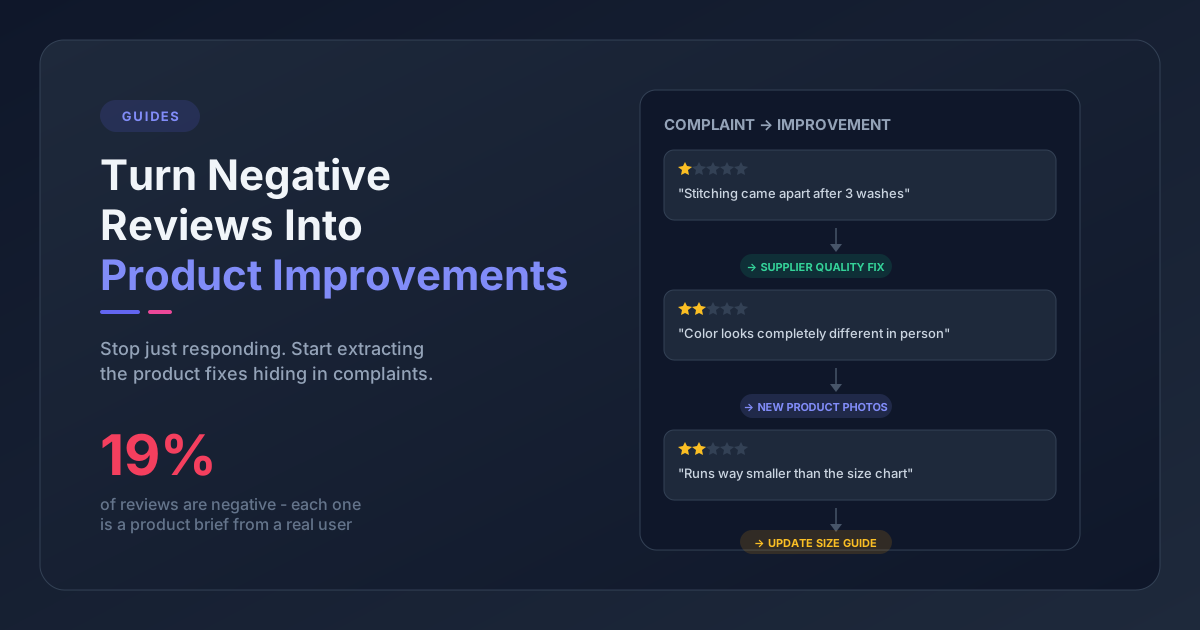
How to Turn Negative Reviews Into Product Improvements
Most brands respond to negative reviews and move on. Here's how to mine them for the specific product changes that actually prevent future complaints.
·10 min read
Guides
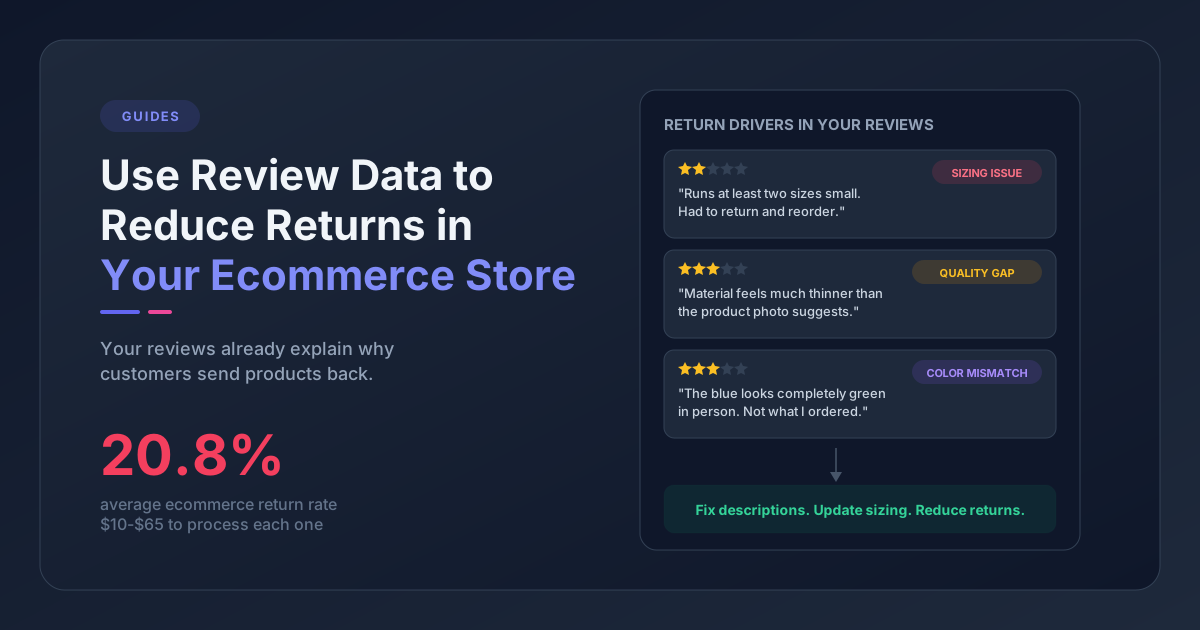
How to Use Review Data to Reduce Returns in Your Ecommerce Store
Your reviews already contain the reasons customers send products back. Here's how to systematically extract return drivers from review text and turn them into fewer returns.
·9 min read
Industry Insights
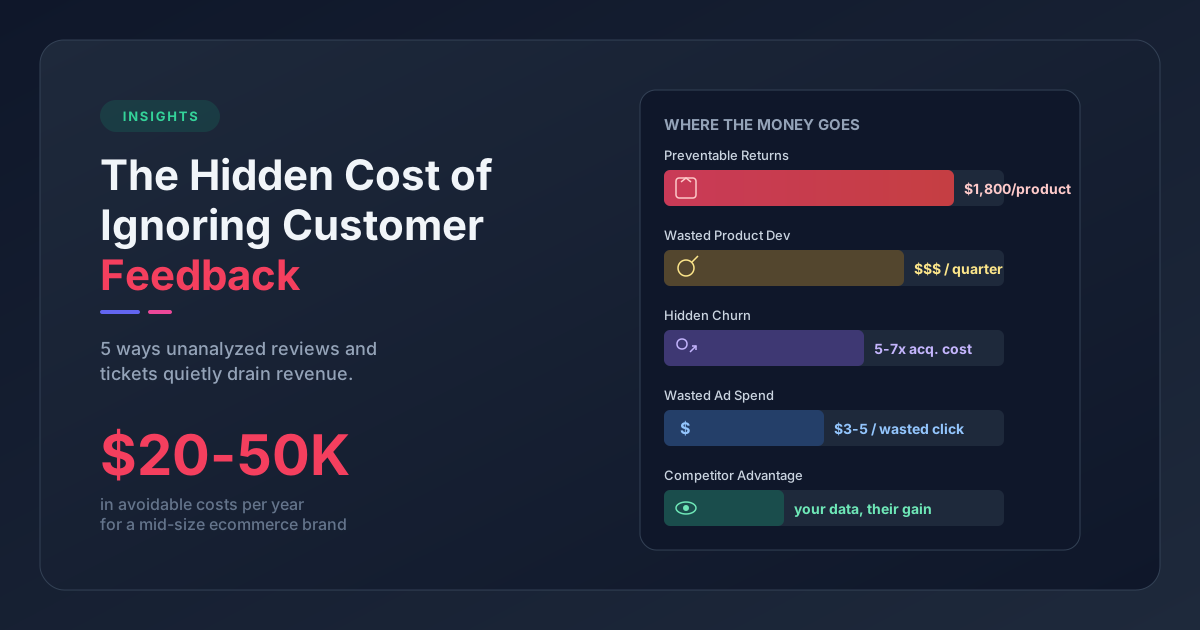
The Hidden Cost of Ignoring Customer Feedback in Ecommerce
Returns, churn, and wasted ad spend - your reviews and support tickets already explain why. Here's what it costs when nobody reads them together.
·10 min read
Industry Insights
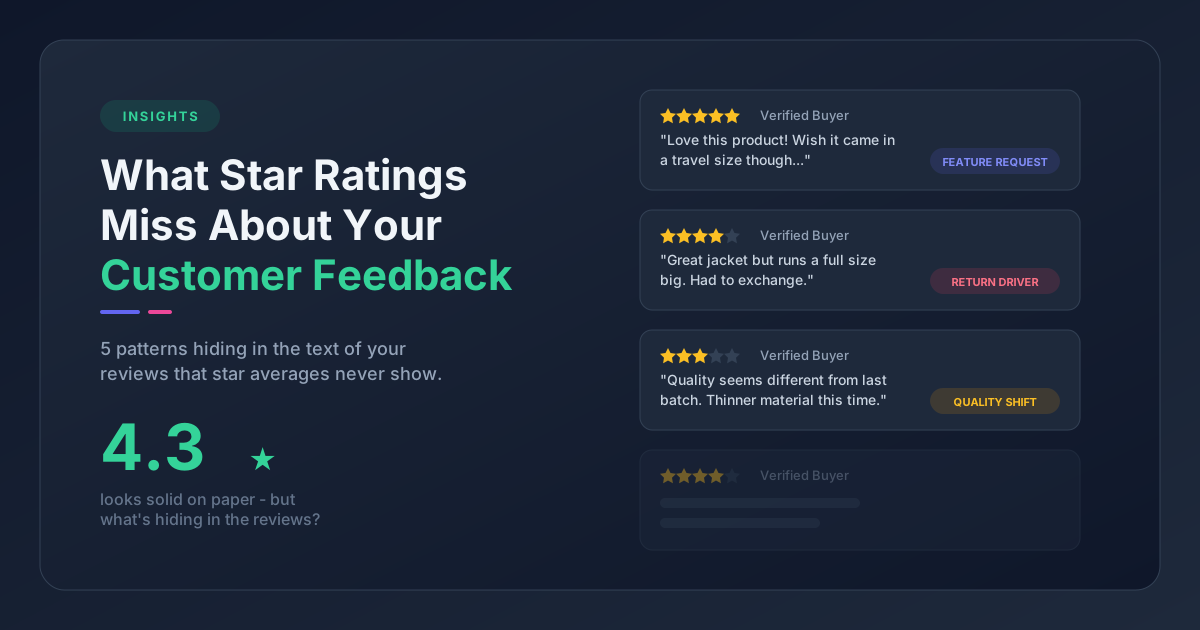
5 Things Your Customer Feedback Is Telling You That Star Ratings Miss
Your 4.3-star average looks solid. But it's hiding return drivers, buried feature requests, and quality shifts that only surface in the text of your reviews.
·10 min read
Guides
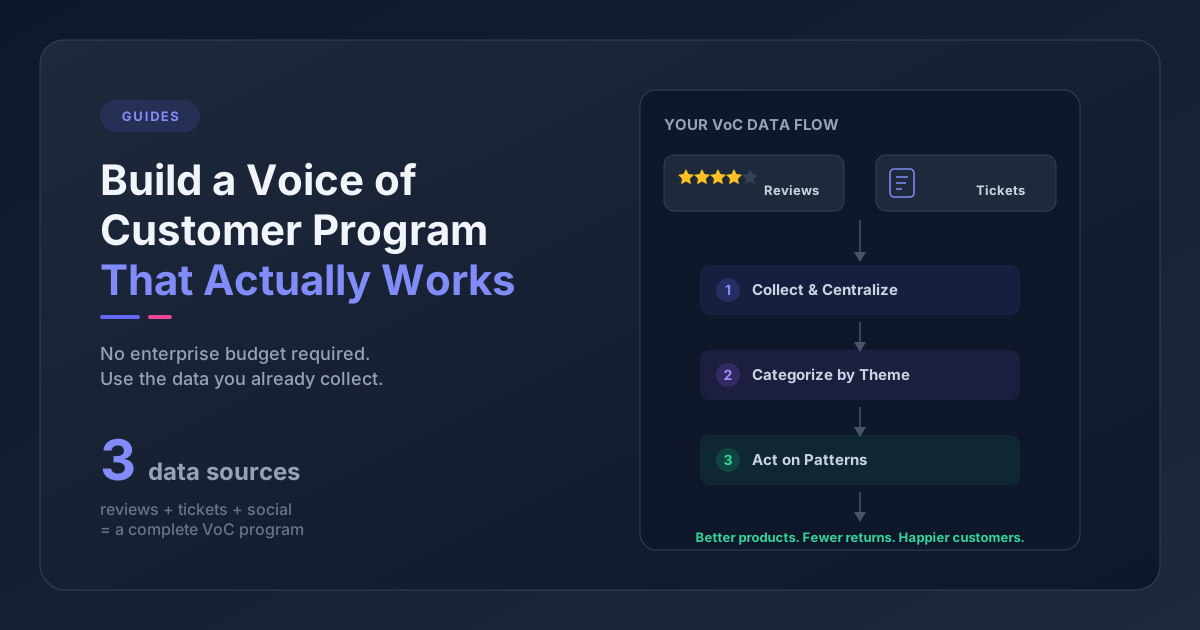
How to Build a Voice of Customer Program for Your Ecommerce Store
Most VoC guides assume enterprise budgets and dedicated teams. Here's how to build a voice of customer program using the review and support data you already have.
·12 min read
Guides
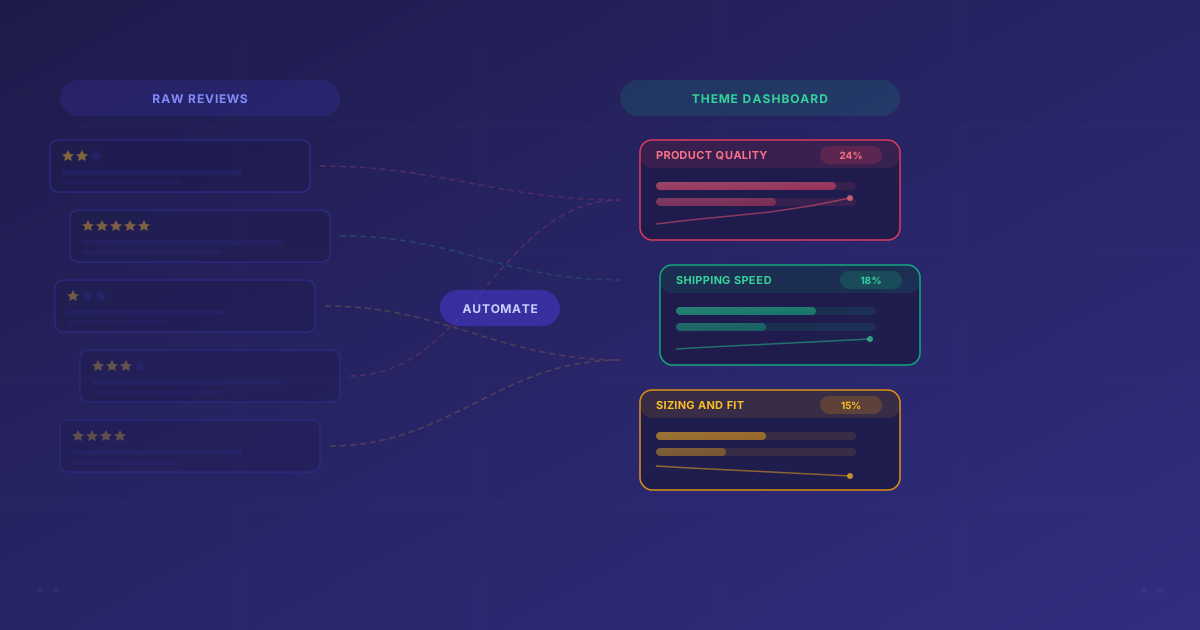
How to Automate Review Analysis for Your Ecommerce Store
You automated review collection years ago. Why are you still reading every review manually? Here's how to automate the analysis side too.
·9 min read
Guides
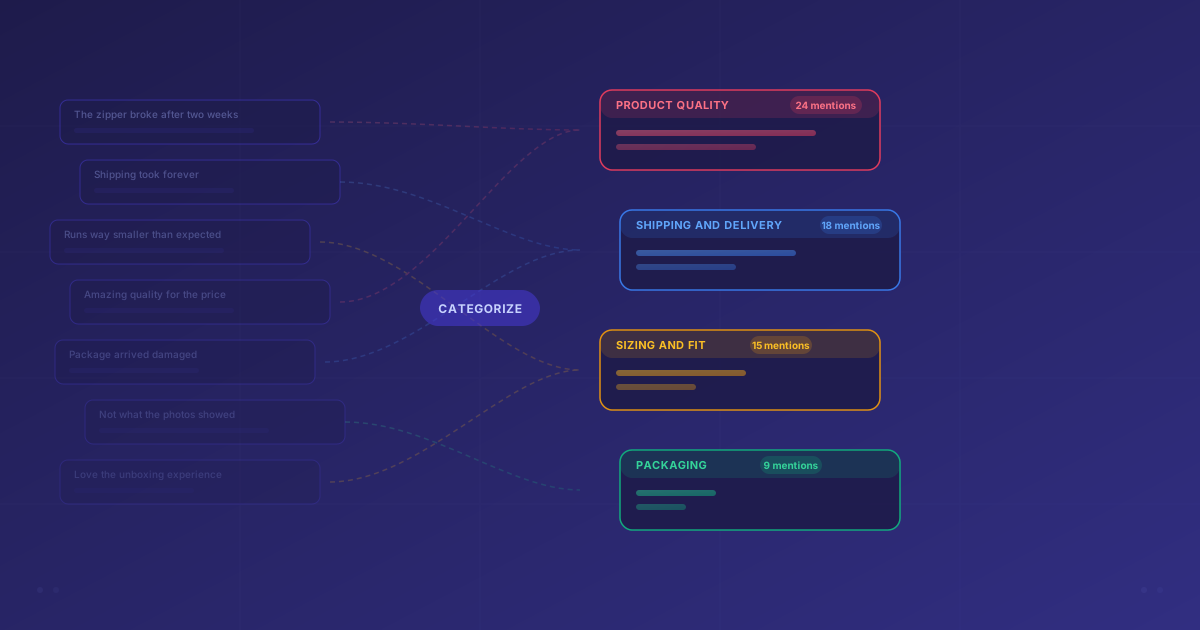
How to Categorize Customer Feedback for Ecommerce (Without Overcomplicating It)
Most feedback categorization frameworks are built for SaaS product teams, not ecommerce. Here's a practical system that maps to actions you can actually take.
·11 min read
Guides
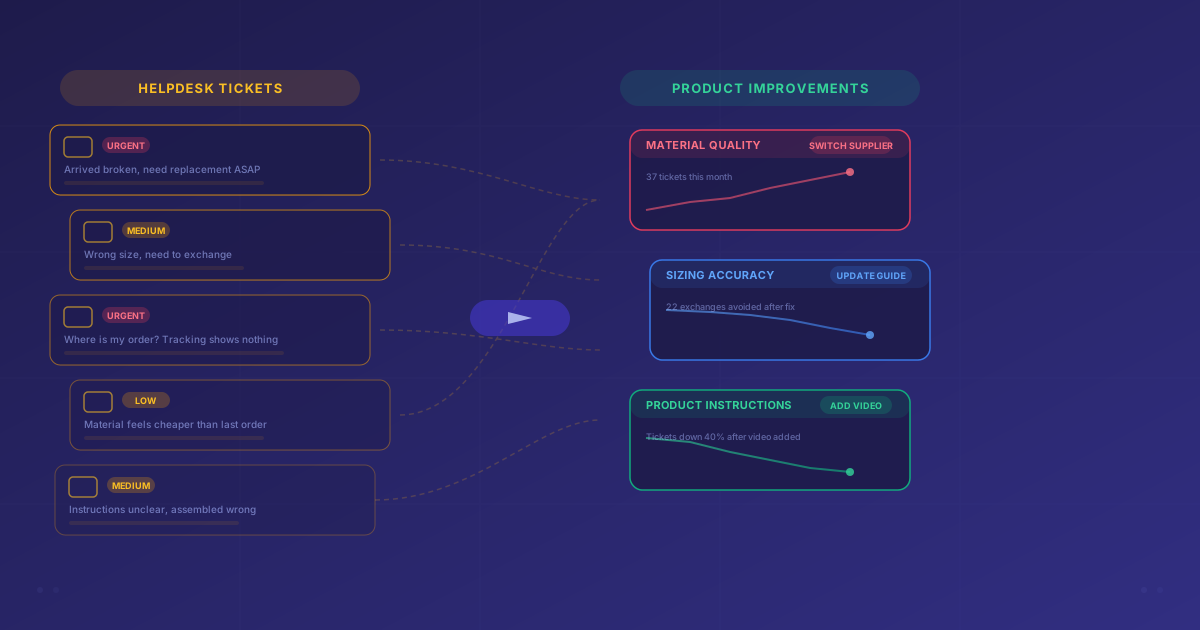
How to Use Ecommerce Support Tickets to Improve Your Products
Your helpdesk is full of product insights you're ignoring. Here's how to extract actionable improvement signals from support ticket data.
·10 min read
Industry Insights
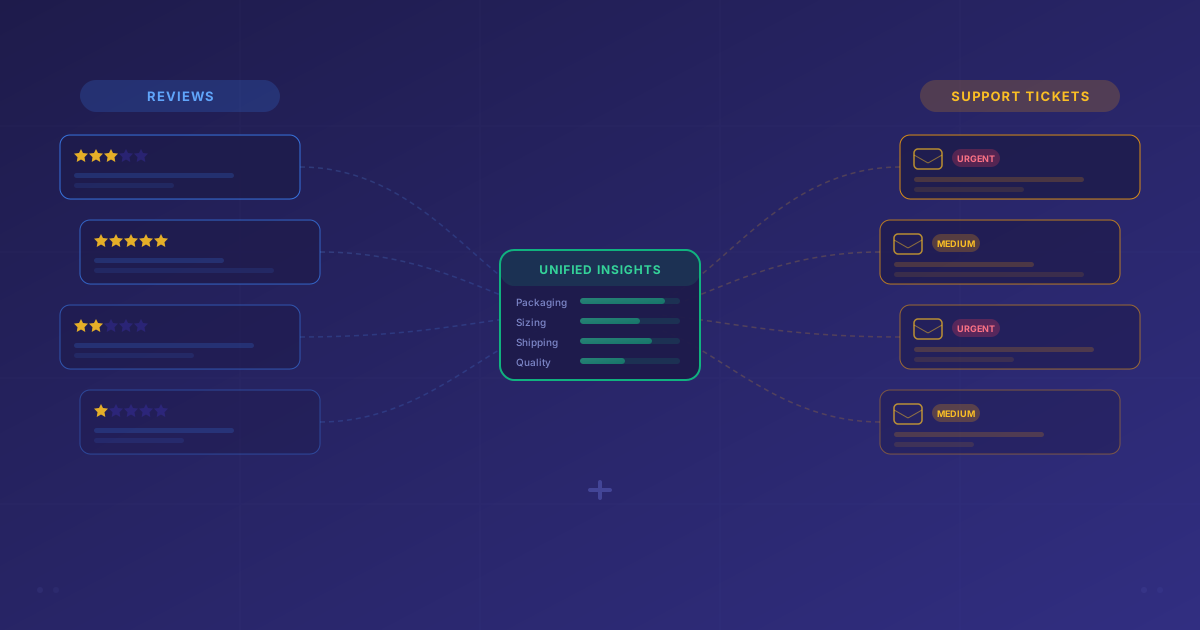
Why You Should Combine Reviews and Support Tickets for Customer Insights
Reviews and support tickets describe the same customer experience. Here's what ecommerce brands miss when they analyze them separately.
·9 min read
Guides
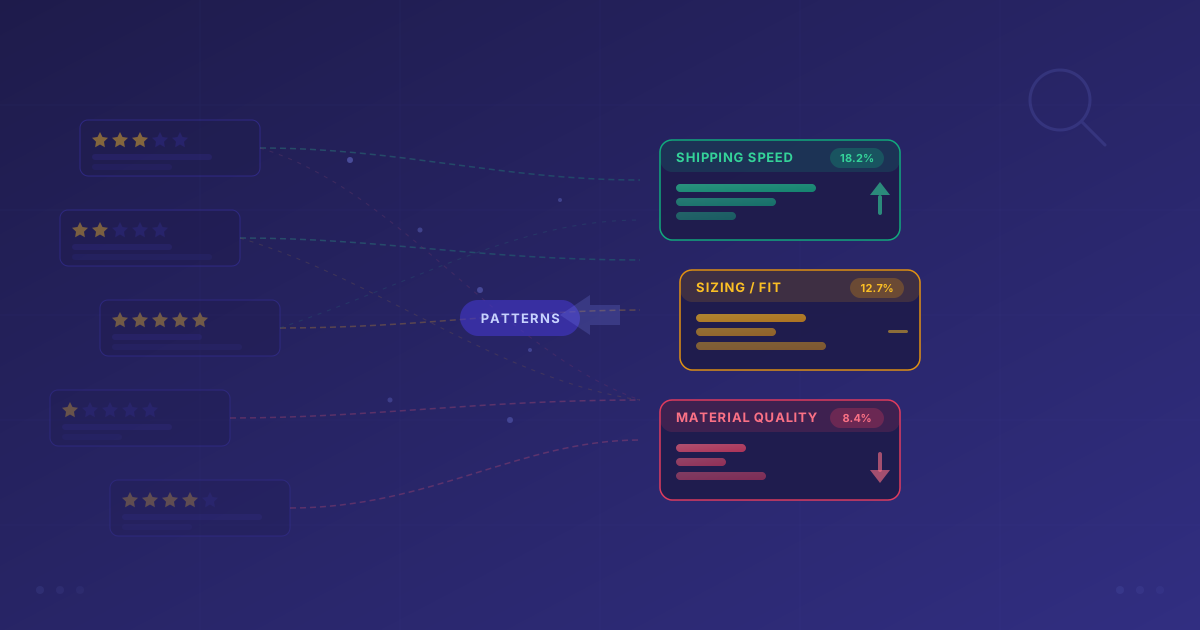
How to Find Patterns in Customer Reviews for Ecommerce Brands
Your ecommerce reviews contain patterns that explain returns, churn, and loyalty. Three methods CX teams use to find them - from manual tagging to AI.
·10 min read